
When a weak area of the abdominal aorta expands or bulges, it is called an Abdominal Aortic Aneurysm (AAA). The pressure from blood flowing through the abdominal aorta can cause a weakened part of the aorta to bulge, much like a balloon. A normal aorta is about 1 inch (or about 2 centimetres) in diameter; however, an AAA can stretch the aorta beyond its safety margin as it expands.
An AAA can also cause a problem called embolization. Clots or debris can form inside the aneurysm and travel to blood vessels leading to other organs in the body. If one of these blood vessels becomes blocked, it can cause severe pain or more serious problems such as limb loss.
AAAs are often silent and discovered incidentally during investigations for other conditions, making screening important for those at risk. Men aged over 65 are at highest risk. Ultrasound is an accurate and widely available screening tool.
Monitoring and Treatment
Smaller aneurysms are monitored with regular ultrasound or CT scans to track their size and rate of growth. Repair is recommended when the aneurysm reaches approximately 5.5 cm in diameter or is growing rapidly. Two main approaches are available: open surgical repair (involving replacement of the aneurysm with a synthetic graft through an abdominal incision) and endovascular repair (EVAR), which uses a stent-graft delivered through small incisions in the groin to seal the aneurysm from within. Dr Garbowski will discuss which approach is most appropriate based on the individual anatomy and fitness of the patient.
Related Resources
Below are some of the Resources related to Abdominal Aortic Aneurysms (AAA).


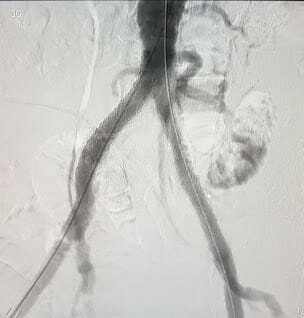
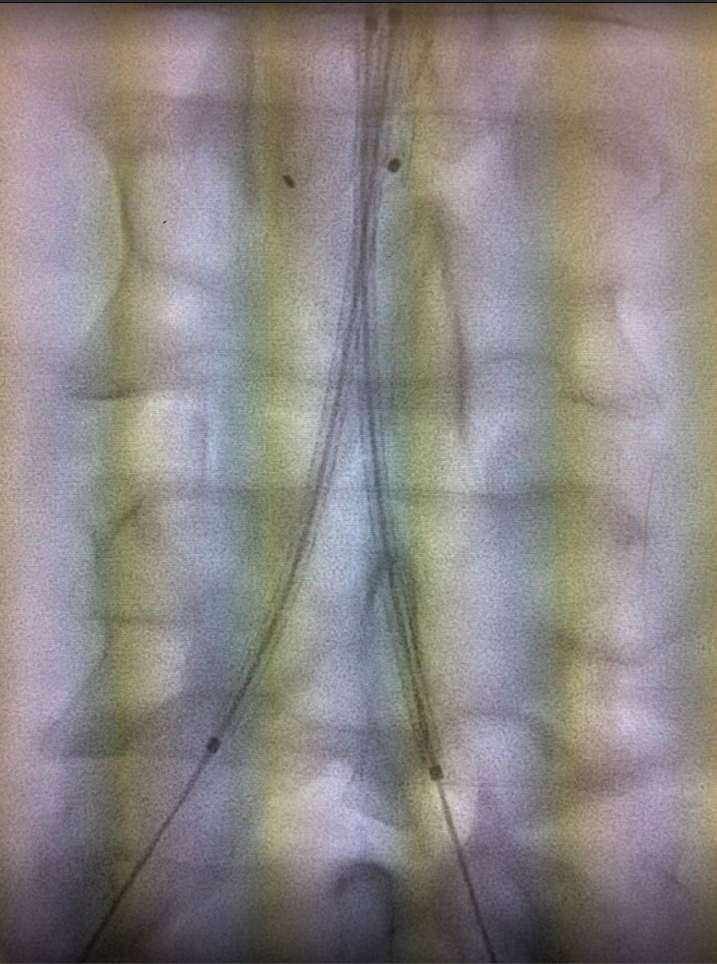
Gore Viabahn VBX Covered Stent plays important role in addressing complex aorta-iliac occlusive.

Listen to the Latest Podcast
Listen to the latest podcast featuring Dr Marek Garbowski and Medical Forum, WA’s independent monthly publication for health professionals.
Get in Touch
Treatments Available for Abdominal Aortic Aneurysms (AAA)
Below are some of the treatments we have available for Abdominal Aortic Aneurysms (AAA). Click on the below to learn more or get in touch with us to request a consultation.
Endovascular Aortic Aneurysm Repair (EVAR/FEVAR/BEVAR)
EVAR, FEVAR and BEVAR are minimally invasive techniques for repairing aortic aneurysms using a stent-graft delivered through small incisions in the groin. They offer shorter hospital stays and faster recovery compared to traditional open surgery.
Why Choose Perth Vascular Clinic?
Expertise You Can Trust
Dr Marek Garbowski has developed a strong clinical focus in the assessment and management of pelvic venous disorders, helping many women regain control of their lives after years of unexplained symptoms.
State-of-the-Art Assessment
Using the latest diagnostic imaging and vascular evaluation techniques, we ensure a thorough and accurate diagnosis. We work closely with gynaecologists and radiologists to deliver a multidisciplinary approach tailored to each patient’s needs.
Evidence-Based Treatment Options
Our clinic offers a full range of minimally invasive, image-guided treatment options — including embolisation of varicose pelvic veins, designed to relieve symptoms with minimal downtime.
Care for Public and Private Patients
Dr Garbowski provides consultations and procedures through both private practice and public hospital pathways, ensuring access to quality care for all patients.
Frequently Asked Questions
An abdominal aortic aneurysm (AAA) is an abnormal bulging of the aorta in the abdomen. The aorta is the main artery carrying blood from the heart, and when its wall weakens, it can expand significantly. AAAs are often symptomless and discovered incidentally during scans for other conditions.