
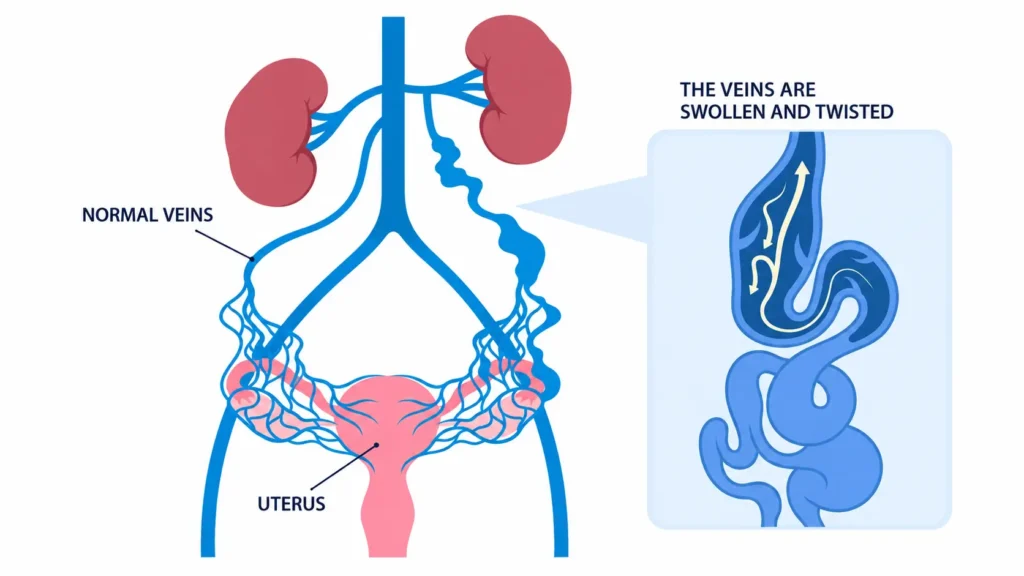
Is Your Pelvic Pain Coming From Your Pelvic Veins?
Vascular surgeon Dr Marek Garbowski explains pelvic venous disease, the second most common cause of chronic pelvic pain, how it is diagnosed, and when treatment makes sense.
Testicular Vein Embolisation (Varicocoele Embolisation)
A short animation of testicular vein embolisation, a minimally invasive day procedure that closes the enlarged vein to relieve varicocoele symptoms.
Percutaneous Endovascular AAA Repair (EVAR)
A short animation of percutaneous EVAR, where a stent graft is placed through small groin punctures to seal off an abdominal aortic aneurysm.
Splenic Artery Aneurysm Embolisation (3D Animation)
A 3D animation of coil embolisation for a splenic artery aneurysm, sealing the aneurysm through a small puncture without open surgery.
miraDry Treatment – How It Works
Watch this video to understand how miraDry works and permanently eliminates underarm sweat and odour glands using electromagnetic energy.
miraDry Treatment: Results & Statistics
Clinical results and statistics for miraDry, a non-invasive treatment for hyperhidrosis. An educational overview of treatment outcomes across the APAC region.


Drug Eluting Balloon Angioplasty
Drug eluting balloons deliver antiproliferative therapy directly to the arterial wall during angioplasty, reducing restenosis rates and improving long-term outcomes for patients with peripheral arterial disease.
Drug Eluting Self Expanding Stent
Drug eluting self-expanding stents combine structural support with local antiproliferative therapy, offering improved long-term patency in the superficial femoral and popliteal arteries compared to conventional bare metal stents.
Access for Patients requiring hemodialysis
Reliable long-term vascular access is essential for patients requiring hemodialysis. Arteriovenous fistulas and grafts offer durable access with lower complication rates than central venous catheters, and early referral is key to successful planning.
Treatment of Popliteal Artery
The popliteal artery is a common site for both occlusive disease and aneurysm formation, presenting unique technical challenges. Both endovascular and surgical approaches are available, with treatment tailored to each patient’s anatomy and clinical situation.
GORE VIABAHN Endoprosthesis Animation
Modern endovascular management of aortic aneurysms has significantly reduced perioperative risk and recovery time, with most patients able to go home within days of completing treatment.
Endovascular Management of Abdominal Aortic Aneurysm
Endovascular repair is the preferred treatment for many patients with abdominal aortic aneurysm. The approach varies between standard and complex EVAR depending on the location and anatomy of the aneurysm.
Chronic Total Occlusion of Superficial Femoral Artery
Chronic total occlusion of the superficial femoral artery is one of the most common challenges in managing peripheral vascular disease, often requiring advanced recanalization techniques for successful endovascular treatment.
Advanced Endovascular Management of Peripheral Vascular Disease
Advanced peripheral vascular disease can produce long segments of chronically occluded arteries. Sophisticated technologies such as TruePath and FrontRunner allow transluminal recanalization when conventional techniques are insufficient.
Why Choose Perth Vascular Clinic?
Expertise You Can Trust
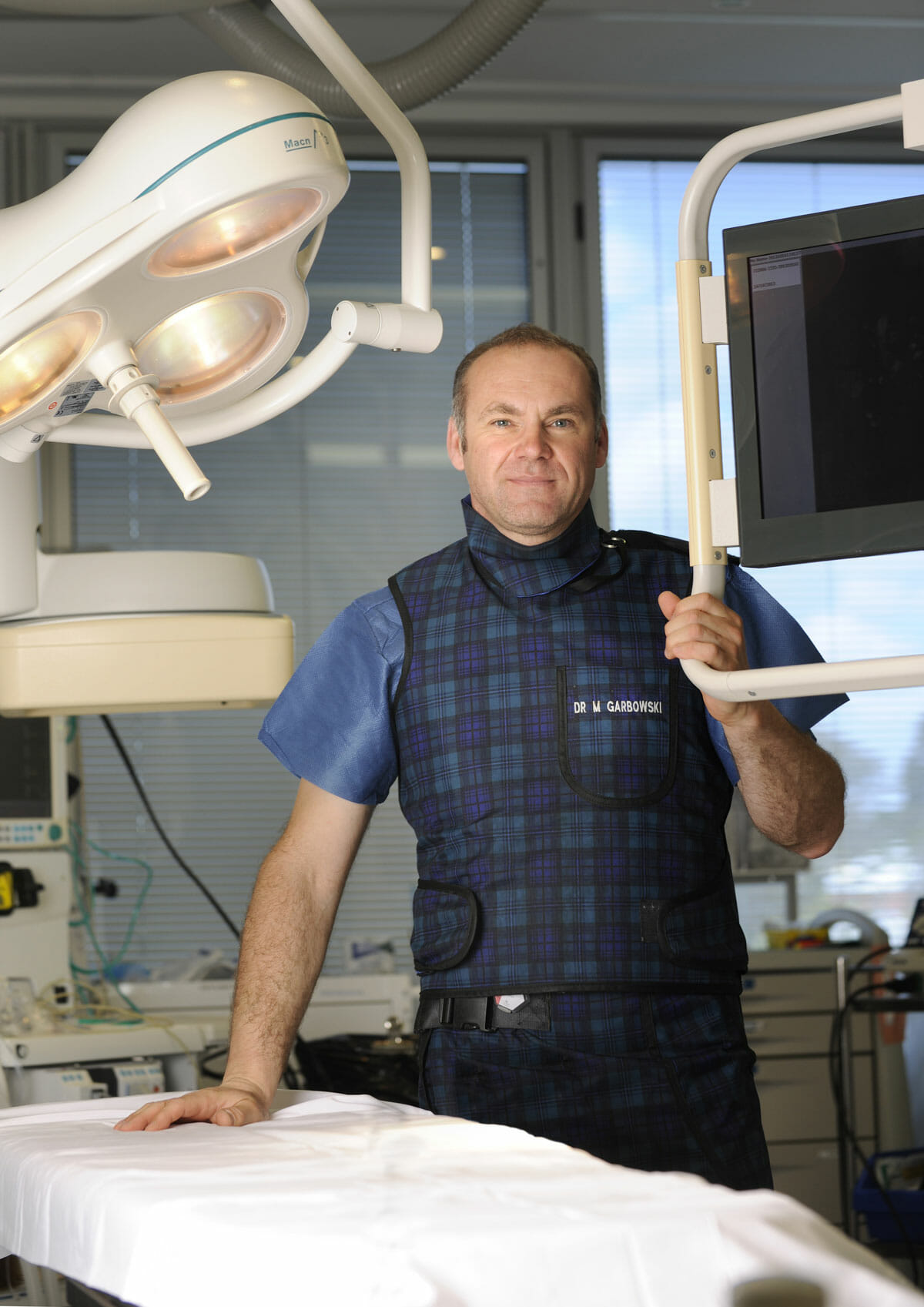
Dr Marek Garbowski has developed a strong clinical focus in the assessment and management of pelvic venous disorders, helping many women regain control of their lives after years of unexplained symptoms.
State-of-the-Art Assessment
Using the latest diagnostic imaging and vascular evaluation techniques, we ensure a thorough and accurate diagnosis. We work closely with gynaecologists and radiologists to deliver a multidisciplinary approach tailored to each patient’s needs.
Evidence-Based Treatment Options
Our clinic offers a full range of minimally invasive, image-guided treatment options — including embolisation of varicose pelvic veins, designed to relieve symptoms with minimal downtime.
Care for Public and Private Patients
Dr Garbowski provides consultations and procedures through both private practice and public hospital pathways, ensuring access to quality care for all patients.