
A varicocele is a collection of enlarged veins in the scrotum, caused by faulty valves in the veins that allow blood to flow back into the scrotum instead of carrying it towards the heart, causing the scrotal veins to bulge. The affected veins are those that travel in the spermatic cord, which contains the vas deferens (the tube that carries sperm from the testes to the penis).
This condition most frequently affects the left testicle due to a difference in testicular vein anatomy on the left versus the right. Varicoceles may cause discomfort and in some cases testicular atrophy (shrinkage). There is also speculation that varicocele may contribute to infertility. Clinically it presents as a collection of easily felt enlarged veins around the testis, and the size of these scrotal varicose veins is frequently larger after prolonged standing, physical exercise or straining. It can also cause discomfort felt within the scrotum after sexual intercourse.
Treatment
Testicular vein embolisation involves gaining access to the main vein in the groin (femoral vein) using ultrasound guidance and inserting a small catheter, which is guided to the location of the faulty vein under live X-ray imaging. The faulty testicular vein is then sealed with special metal coils, eliminating the abnormal reflux without the need for open surgery.
Related Resources
Below are some of the Resources related to Varicocele.

Listen to the Latest Podcast
Listen to the latest podcast featuring Dr Marek Garbowski and Medical Forum, WA’s independent monthly publication for health professionals.
Get in Touch
Treatments Available for Varicocele
Below are some of the treatments we have available for Varicocele. Click on the below to learn more or get in touch with us to request a consultation.
Why Choose Perth Vascular Clinic?
Expertise You Can Trust
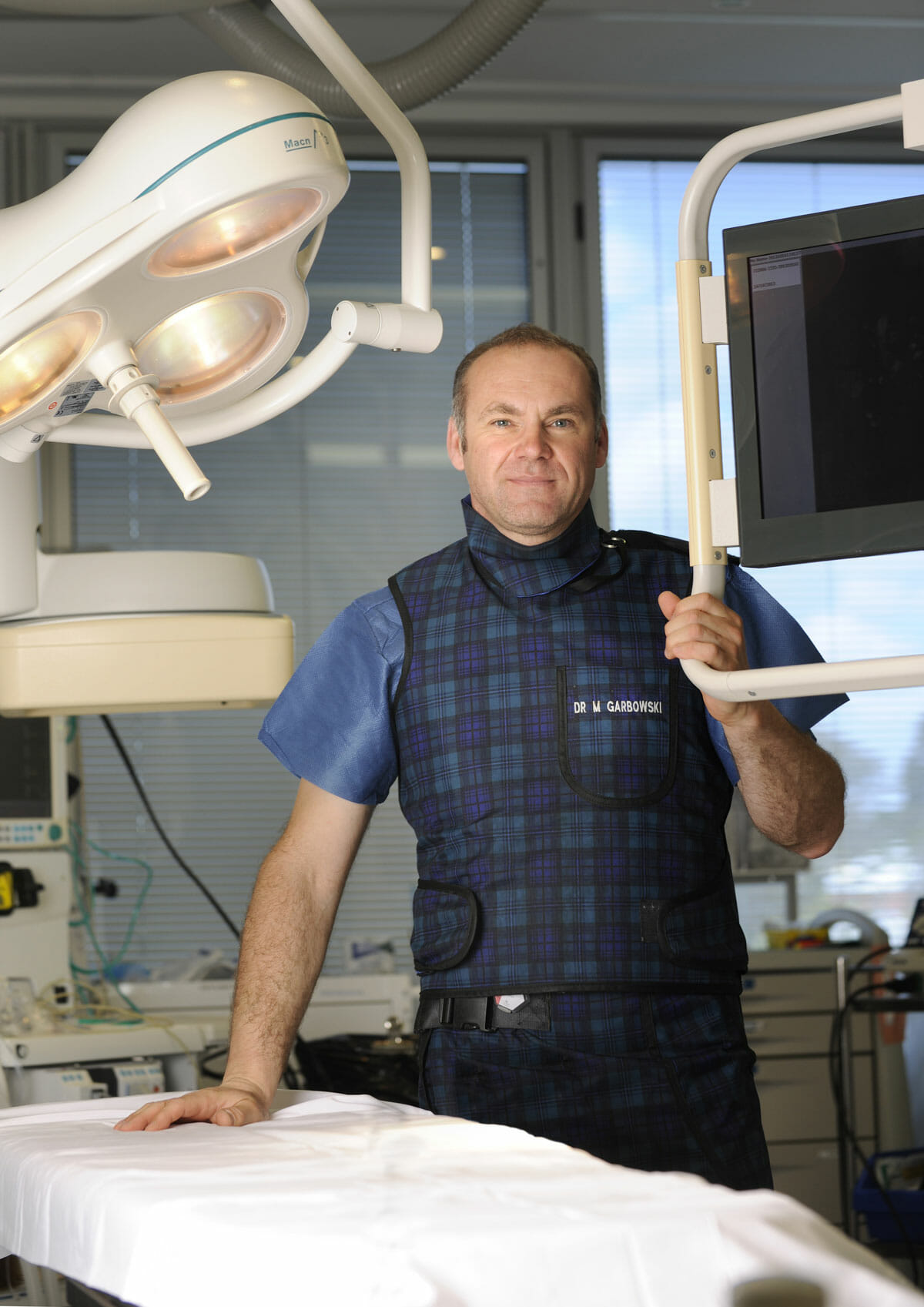
Dr Marek Garbowski has developed a strong clinical focus in the assessment and management of pelvic venous disorders, helping many women regain control of their lives after years of unexplained symptoms.
State-of-the-Art Assessment
Using the latest diagnostic imaging and vascular evaluation techniques, we ensure a thorough and accurate diagnosis. We work closely with gynaecologists and radiologists to deliver a multidisciplinary approach tailored to each patient’s needs.
Evidence-Based Treatment Options
Our clinic offers a full range of minimally invasive, image-guided treatment options — including embolisation of varicose pelvic veins, designed to relieve symptoms with minimal downtime.
Care for Public and Private Patients
Dr Garbowski provides consultations and procedures through both private practice and public hospital pathways, ensuring access to quality care for all patients.
Frequently Asked Questions
A varicocele is an enlargement of the veins within the scrotum, similar to varicose veins in the legs. It occurs when the valves in the testicular veins fail to function properly, causing blood to pool and the veins to dilate. Varicoceles are found in approximately 15% of men and are more common on the left side.