
What is Restless Legs Syndrome?
Restless legs syndrome (RLS), also known as Willis-Ekbom disease, is a common sensorimotor disorder. It causes an urge to move the legs, usually with an uncomfortable deep sensation, and it disrupts sleep and quality of life.
RLS is a clinical diagnosis. It overlaps with vascular disease often enough that vascular clinicians see it regularly.
Causes and Associations
Primary (idiopathic) RLS
Often runs in families and is linked to reduced brain iron and altered dopamine signalling.
Secondary RLS
Associated with iron deficiency, chronic kidney disease, pregnancy, peripheral neuropathy, diabetes, thyroid disease and Parkinson disease.
Venous disease
In one vein-clinic series, RLS was about 33 percentage points more common in patients with superficial venous reflux than in those without.
Medicines and substances that can contribute
Antidepressants (SSRIs, SNRIs, mirtazapine, tricyclics), antipsychotics, sedating antihistamines and metoclopramide. Caffeine, alcohol and nicotine can also worsen symptoms.
Symptoms and Diagnosis
Patients describe crawling, aching, tingling or “electric” sensations. Sleep-onset insomnia and daytime fatigue are common, and most patients also have periodic limb movements in sleep. Diagnosis rests on five features:
An urge to move the legs
Usually with unpleasant sensations.
Onset or worsening at rest
Symptoms begin or worsen during rest or inactivity.
Relief with movement
Partial or complete relief with movement.
Worse in the evening or at night
Symptoms follow a daily pattern.
Not explained by another condition
Other causes have been excluded.
Mimics to exclude
Nocturnal leg cramps, venous oedema or stasis discomfort, peripheral arterial disease, neuropathy, radiculopathy, akathisia and positional discomfort.
Examination
The neurological examination is usually normal in primary RLS. Examination should look for:
- Varicose veins, oedema and skin changes of chronic venous disease
- Pedal pulses and signs of ischaemia
- Sensory loss, reduced reflexes or weakness suggesting neuropathy or radiculopathy
Recommended Investigations
All patients
- Medication and substance review
- Severity scoring with the IRLS scale
- Bloods: ferritin, transferrin saturation, FBC, renal function, glucose or HbA1c, TSH, B12 and folate
- Iron studies should ideally be taken in the morning after 24 hours without iron-containing foods or supplements
Selected patients
- Venous duplex ultrasound if there are varicosities, swelling, venous pain or a family history of venous disease
- ABI or arterial duplex if pulses are reduced or claudication is possible
- Nerve conduction studies for suspected neuropathy, and spinal imaging for radiculopathy
- Polysomnography only if the diagnosis is uncertain or sleep apnoea is suspected
Treatment Options
Address contributors
Stop or substitute offending drugs, reduce caffeine, alcohol and nicotine, keep a regular sleep routine, and take moderate exercise. These measures help mild disease.
Iron
Iron deficiency is the most treatable cause. The AASM strongly recommends IV ferric carboxymaltose when serum ferritin is below 100 μg/L. Oral iron is a reasonable option in milder cases or where IV iron is unsuitable.
Alpha-2-delta ligands (first-line drugs)
The 2024 AASM guideline strongly recommends gabapentin enacarbil, gabapentin or pregabalin. Side effects include dizziness, somnolence and weight gain, and doses need care in the elderly and in renal impairment.
Dopamine agonists and levodopa (no longer first-line)
The AASM now conditionally recommends against standard long-term use of ropinirole, pramipexole, rotigotine and levodopa because of the high risk of augmentation. Augmentation is symptom worsening, with earlier onset and spread to other body parts. Impulse-control disorders are another concern. They may still suit short-term or intermittent use.
Refractory disease
Options include combination therapy, specialist sleep or neurology referral, and low-dose opioids under close supervision. Some devices, such as pneumatic compression, have limited supporting evidence.
Treating venous reflux (selected patients)
The evidence here is encouraging but limited:
- In a retrospective series of 35 patients, mean IRLS scores fell from 19.83 to 7.89 after radiofrequency ablation and foam sclerotherapy, and 29% reported complete relief.
- In another vein-centre cohort, 87% of patients with RLS symptoms whose reflux was abolished by ablation reported improvement.
- A systematic review found promising outcomes but heterogeneous study designs, so further research is needed.
Venous intervention is not a stand-alone RLS cure
It should be considered when RLS coexists with symptomatic reflux on duplex. Risks include thrombophlebitis, DVT or endothermal heat-induced thrombosis, nerve injury, pigmentation and recurrence.
Natural History and Complications
RLS is usually chronic and fluctuating, and it often progresses slowly. Untreated, it causes chronic sleep loss, fatigue, mood disturbance and reduced work performance. Secondary forms often improve when the cause, such as iron deficiency, is corrected.
When to Refer
- Suspected venous or arterial disease
- Symptoms that persist despite iron repletion and first-line therapy
- Augmentation
- Diagnostic uncertainty

Listen to the Latest Podcast
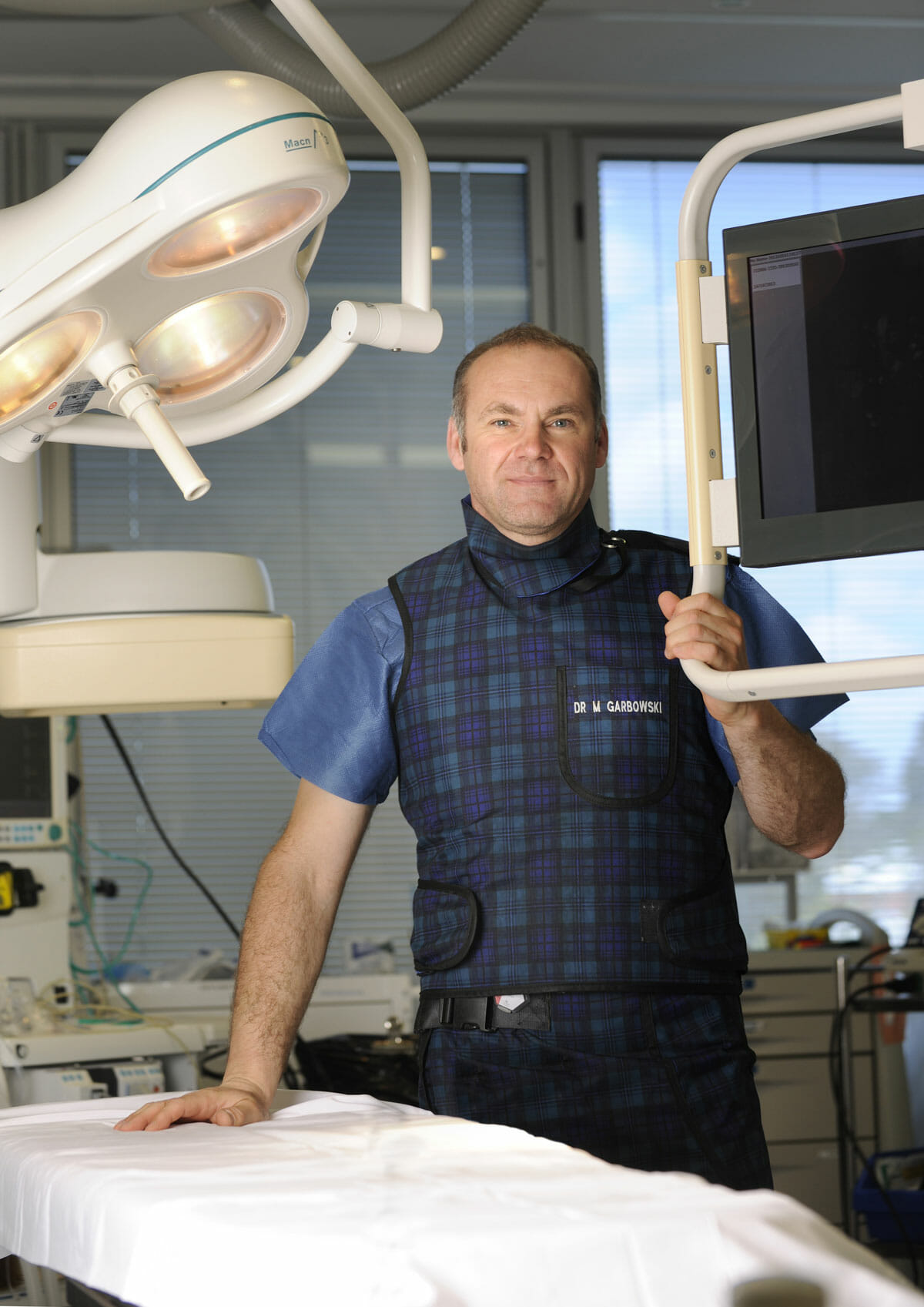
Listen to the latest podcast featuring Dr Marek Garbowski and Medical Forum, WA’s independent monthly publication for health professionals.
Get in Touch
Why Choose Perth Vascular Clinic?
Expertise You Can Trust
Dr Marek Garbowski has developed a strong clinical focus in the assessment and management of pelvic venous disorders, helping many women regain control of their lives after years of unexplained symptoms.
State-of-the-Art Assessment
Using the latest diagnostic imaging and vascular evaluation techniques, we ensure a thorough and accurate diagnosis. We work closely with gynaecologists and radiologists to deliver a multidisciplinary approach tailored to each patient’s needs.
Evidence-Based Treatment Options
Our clinic offers a full range of minimally invasive, image-guided treatment options — including embolisation of varicose pelvic veins, designed to relieve symptoms with minimal downtime.
Care for Public and Private Patients
Dr Garbowski provides consultations and procedures through both private practice and public hospital pathways, ensuring access to quality care for all patients.
Frequently Asked Questions
Restless legs syndrome (RLS) is a neurological condition characterised by an irresistible urge to move the legs, often accompanied by uncomfortable sensations such as crawling, tingling, or aching. Symptoms typically worsen at rest, particularly in the evening and at night, and are temporarily relieved by movement.