
Pelvic Venous Disorders (PeVD): Causes & Explanations
Chronic pelvic pain, heaviness, or discomfort can be debilitating—and for many women, the cause is often overlooked. One of the most under-recognised contributors is Pelvic Venous Disorders (PeVD).
PeVD refers to a group of conditions where the veins in the pelvis become stretched, weakened, or compressed, leading to poor blood flow, vein congestion, and the development of pelvic varicose veins. Below are the five main vascular causes of PeVD.
1. Ovarian Vein Incompetence
When the valves in the ovarian veins—most commonly the left—stop working properly, blood flows backward (a condition called reflux), causing the veins to enlarge and become varicose.
Common Symptoms:
- Chronic dull pelvic pain (lasting over 6 months)
- Pain that worsens at the end of the day or during menstruation
- Discomfort during or after intercourse
- Visible varicose veins on the vulva or upper thighs
- Feeling of pressure or heaviness in the lower abdomen
2. Left Common Iliac Vein Compression (May-Thurner Syndrome)
In this condition, the right iliac artery compresses the left iliac vein, restricting blood flow from the pelvis and left leg. This increases vein pressure and may lead to swelling, varicose veins, or pelvic congestion.
Common Symptoms:
- Heaviness or aching in the pelvis
- Left leg swelling or pain
- Pelvic varicose veins, especially on the left
- Pain with prolonged standing or sitting
3. Left Renal Vein Compression (Nutcracker Syndrome)
Here, the left renal vein (which drains the kidney) is compressed between the aorta and superior mesenteric artery, leading to backflow into the ovarian vein and increased pelvic vein pressure.
Common Symptoms:
- Flank or lower abdominal pain
- Chronic pelvic discomfort
- Blood in urine (microscopic or visible)
- Pelvic varicose veins
- Pain worsened by standing or physical activity
4. Pelvic Escape Veins
When pelvic veins are under too much pressure, the body creates new pathways—called pelvic escape veins—to divert the blood. These abnormal veins often drain into the legs and contribute to unusual or recurrent varicose veins.
Common Symptoms:
- Varicose veins in unusual areas: upper thighs, perineum, buttocks
- Pelvic or groin discomfort
- Recurrent leg varicose veins despite previous treatment
- Feeling of fullness or pressure in the lower pelvis
5. Internal Iliac Vein Incompetence
The internal iliac veins are deep pelvic veins that drain blood from the uterus, bladder, and pelvic floor. When these veins become incompetent (valves fail), blood pools in the pelvis, leading to venous congestion and pressure symptoms.
Common Symptoms:
- Lower pelvic or deep buttock pain
- Vaginal or vulvar varicose veins
- Heaviness in the pelvic floor
- Discomfort during bowel movements or sitting
- Pain with prolonged standing or physical exertion
Wondering what can actually be done about pelvic venous pain?
There Are Real, Effective Treatments for PeVD
Chronic pelvic pain caused by vein issues isn’t something you have to just put up with. Whether your symptoms are mild or more disruptive, there are proven treatment options that can help. From lifestyle changes to advanced minimally invasive procedures, care can be tailored to your situation.
Find out what’s possible when your treatment starts with the right diagnosis.
Why Choose Perth Vascular Clinic?
Expertise You Can Trust
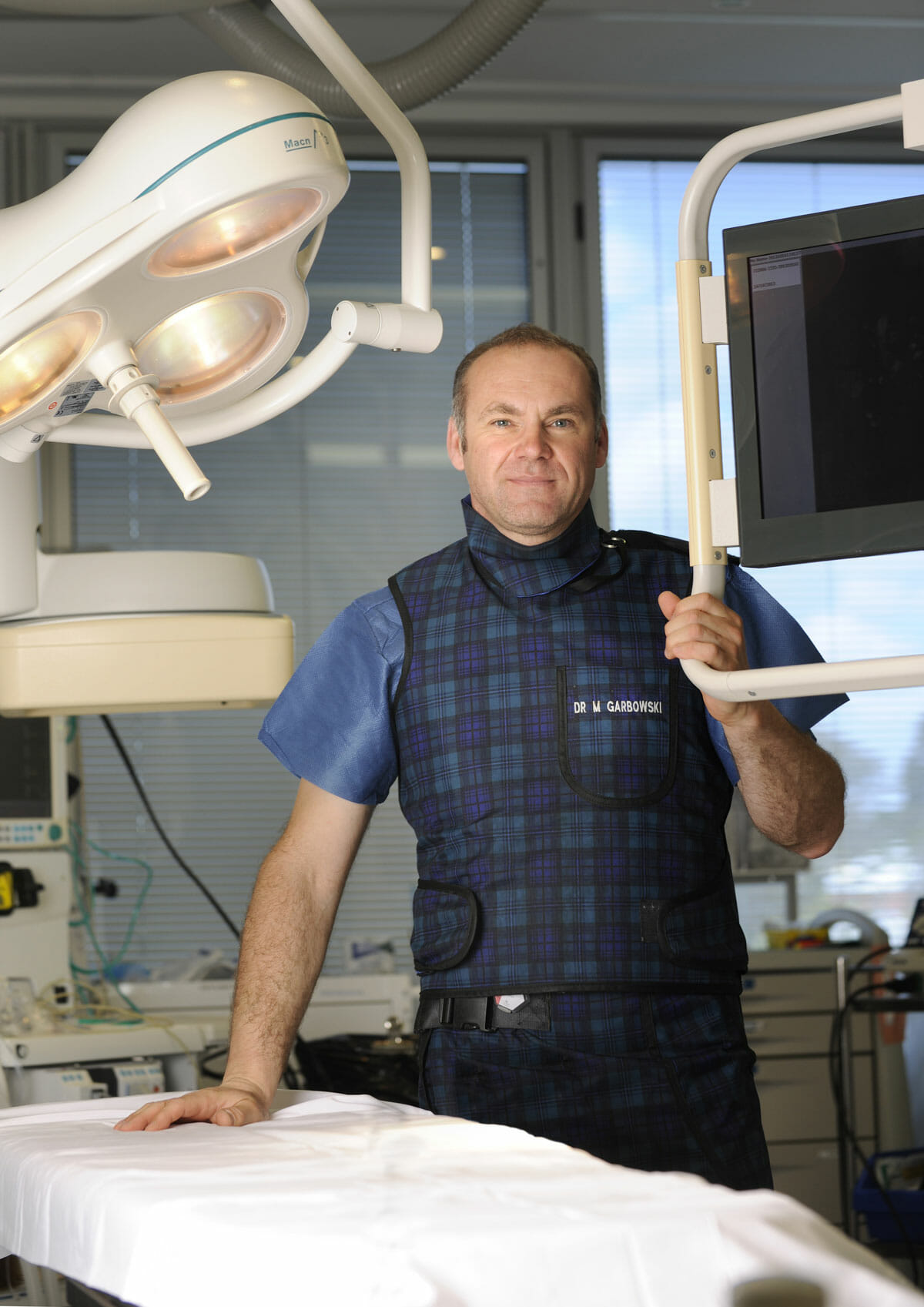
Dr Marek Garbowski has developed a strong clinical focus in the assessment and management of pelvic venous disorders, helping many women regain control of their lives after years of unexplained symptoms.
State-of-the-Art Assessment
Using the latest diagnostic imaging and vascular evaluation techniques, we ensure a thorough and accurate diagnosis. We work closely with gynaecologists and radiologists to deliver a multidisciplinary approach tailored to each patient’s needs.
Evidence-Based Treatment Options
Our clinic offers a full range of minimally invasive, image-guided treatment options — including embolisation of varicose pelvic veins, designed to relieve symptoms with minimal downtime.
Care for Public and Private Patients
Dr Garbowski provides consultations and procedures through both private practice and public hospital pathways, ensuring access to quality care for all patients.
If you’ve been living with chronic pelvic discomfort and haven’t found answers, it may be time to consider a vascular cause.
To learn more or book a consultation with Dr Marek Garbowski, contact Perth Vascular Clinic today. We’re here to help you find lasting relief and restore your quality of life.