
What is it?
Fibromuscular dysplasia is an uncommon, non-inflammatory, non-atherosclerotic condition in which the wall of a medium-sized artery develops abnormal cell growth. This can narrow the artery, cause beading or aneurysms, or make the wall prone to tearing (dissection). It most often affects the renal (kidney) arteries and the carotid and vertebral arteries in the neck and external iliac arteries, but any artery can be involved. FMD is most often diagnosed in women aged 30 to 60, and it is probably under-recognised. The cause is not fully understood; genetic, hormonal and mechanical factors are thought to contribute.
For patients
FMD is often silent and found incidentally on imaging. When symptoms occur, they depend on the arteries involved:
- High blood pressure, especially if it starts young or is hard to control
- Headaches or migraine
- A “whooshing” sound in the ears that beats with the pulse (pulsatile tinnitus)
- Neck pain, dizziness, or stroke or TIA symptoms
- Abdominal pain or reduced kidney function (less common)
FMD is a chronic but manageable condition. Treatment is tailored to your arteries and symptoms and may include blood pressure medication, an antiplatelet such as aspirin, and regular surveillance imaging. Angioplasty (a balloon procedure) is sometimes used for a narrowed renal artery when blood pressure cannot be controlled with medication. Surgery is rarely needed. Do not smoke, and avoid high-velocity neck manipulation.
Seek urgent care for sudden severe headache, neck pain, weakness, speech or vision changes, or chest pain.
For GPs
When to suspect FMD
- Hypertension in a young or middle-aged woman, particularly if resistant or of abrupt onset
- Pulsatile tinnitus, or an unexplained cervical bruit
- Cervical artery dissection, stroke or TIA in a younger patient without conventional risk factors
- Spontaneous coronary artery dissection (SCAD)
- Incidental beading or aneurysm on imaging
Work-up and referral
- Duplex ultrasound is a useful first-line test but has limited sensitivity for distal and multifocal disease. CT or MR angiography is the usual confirmatory test, and catheter angiography is reserved for selected cases.
- Once FMD is confirmed, consensus guidance recommends one-off imaging from head to pelvis, because multi-bed involvement and silent aneurysms are common.
- Manage blood pressure (ACE inhibitor or ARB are usually appropriate, with renal function monitored) and consider low-dose aspirin for cerebrovascular disease.
- Refer for vascular assessment if you suspect FMD, or if there are aneurysms, dissection, refractory hypertension, declining renal function, or neurological symptoms.
Our approach
At Perth Vascular Clinic we confirm the diagnosis, map the full extent of disease, and agree a long-term plan with you and your GP, using intervention only when it is clearly indicated.
This page is general information and does not replace individual medical advice.

Listen to the Latest Podcast
Listen to the latest podcast featuring Dr Marek Garbowski and Medical Forum, WA’s independent monthly publication for health professionals.
Get in Touch
Treatments Available for Fibromuscular Dysplasia (FMD)
Below are some of the treatments we have available for Fibromuscular Dysplasia (FMD). Click on the below to learn more or get in touch with us to request a consultation.
Why Choose Perth Vascular Clinic?
Expertise You Can Trust
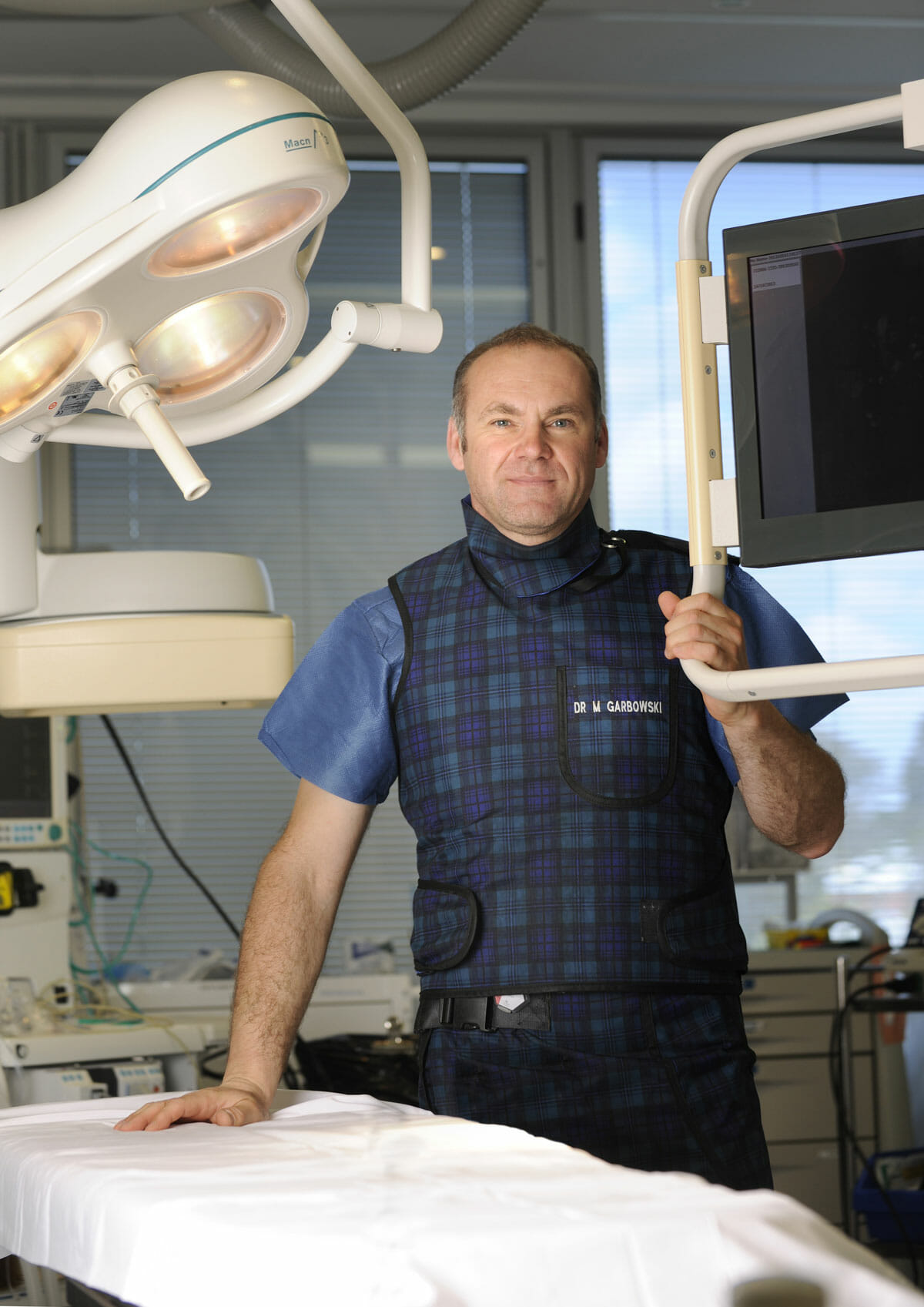
Dr Marek Garbowski has developed a strong clinical focus in the assessment and management of pelvic venous disorders, helping many women regain control of their lives after years of unexplained symptoms.
State-of-the-Art Assessment
Using the latest diagnostic imaging and vascular evaluation techniques, we ensure a thorough and accurate diagnosis. We work closely with gynaecologists and radiologists to deliver a multidisciplinary approach tailored to each patient’s needs.
Evidence-Based Treatment Options
Our clinic offers a full range of minimally invasive, image-guided treatment options — including embolisation of varicose pelvic veins, designed to relieve symptoms with minimal downtime.
Care for Public and Private Patients
Dr Garbowski provides consultations and procedures through both private practice and public hospital pathways, ensuring access to quality care for all patients.