
What is it?
Diabetic foot disease covers the foot problems that develop when diabetes damages the nerves, blood vessels and immune response in the legs and feet. It includes numbness, ulcers, infection, poor circulation, Charcot foot (a weakening and collapse of the foot’s bones and joints), and, in advanced cases, gangrene and amputation. Diabetes-related foot disease is a leading cause of non-traumatic amputation in Australia, and up to one in three people with diabetes will develop a foot ulcer in their lifetime. The good news is that most serious outcomes are preventable with regular foot checks, early treatment, and prompt referral when something changes.
Why does it happen?
Three processes usually work together:
- Neuropathy: Loss of sensation means injuries such as blisters, cuts and pressure points go unnoticed. Nerve damage also changes foot shape and the way weight is carried, creating high-pressure areas.
- Peripheral arterial disease (PAD): Diabetes accelerates narrowing of the leg arteries, particularly the smaller vessels below the knee. Reduced blood flow slows healing and is present in a large proportion of people with foot ulcers.
- Infection: High glucose and poor circulation impair the body’s defences, so a small wound can become a deep infection, including bone infection (osteomyelitis), quickly.
For patients
Look after your feet every day
- Check both feet daily, including between the toes and the soles. Use a mirror or ask someone to help if you can’t see them easily.
- Wash and dry carefully, and moisturise dry skin (but not between the toes).
- Never walk barefoot, even at home, and check inside shoes before wearing them.
- Wear well-fitted footwear and seek advice from a podiatrist about nail and callus care, rather than cutting calluses yourself.
- Stop smoking and keep your blood glucose, blood pressure and cholesterol well controlled.
- Have your feet examined at least once a year, or more often if you are at higher risk.
Seek help the same day if you notice:
- A new blister, cut, sore or ulcer that does not improve within a day or two
- Redness, swelling, warmth, pus or a bad smell
- A hot, swollen foot, even without pain
- A cold, pale, blue or dusky foot or toe, or new pain at rest, especially at night
- Fever or feeling generally unwell with a foot wound
For GPs
Screen at every review
- Examine both feet for deformity, callus, skin and nail changes, and pulses.
- Test protective sensation (10 g monofilament and one other test such as vibration).
- Stratify risk to set review frequency (low, moderate or high risk), in line with current Australian diabetes-related foot disease guidelines.
- Do not rely on the ABI alone. Arterial calcification in diabetes often falsely elevates it, so toe pressures or toe-brachial index and Doppler waveforms are more reliable.
When to refer to vascular surgery
- Any ulcer or gangrene in a patient with absent or weak pulses, abnormal toe pressures or abnormal waveforms
- Rest pain, or an ulcer that has not begun to heal after about two to four weeks of good care
- Suspected chronic limb-threatening ischaemia. This is urgent, and revascularisation is most effective when done early.
- Moderate to severe infection, an ulcer that probes to bone, or a hot swollen foot suggesting Charcot. These need urgent multidisciplinary review (podiatry, infectious diseases, and orthopaedics or the high-risk foot service).
Ongoing management: offloading of the ulcer is essential, along with early empirical antibiotics for clinically infected wounds, optimising glycaemic control, and treating cardiovascular risk (antiplatelet therapy, statin, blood pressure, smoking cessation).
Our approach
At Perth Vascular Clinic we assess the circulation of the affected limb with clinic-based non-invasive testing (toe pressures and duplex ultrasound) and, where needed, angiography. We aim to restore blood flow by the least invasive effective option, whether that is angioplasty, stenting, or bypass surgery when required. We work alongside your GP, podiatrist, endocrinologist and wound care team, because saving a limb is a team effort. Early referral gives the best chance of healing and limb preservation.
This page is general information and does not replace individual medical advice.

Listen to the Latest Podcast
Listen to the latest podcast featuring Dr Marek Garbowski and Medical Forum, WA’s independent monthly publication for health professionals.
Get in Touch
Treatments Available for Diabetic Foot
Below are some of the treatments we have available for Diabetic Foot. Click on the below to learn more or get in touch with us to request a consultation.
Angioplasty and Stenting
Angioplasty and stenting opens narrowed or blocked arteries by inflating a small balloon inside the vessel and, where needed, placing a mesh tube to hold it open. It is a minimally invasive alternative to open surgery for many arterial conditions.
Bypass Surgery
Bypass surgery creates a new route for blood to travel around a blocked or severely narrowed artery. It is used to restore circulation to the legs and feet when less invasive treatments are not suitable or have not been effective.
Why Choose Perth Vascular Clinic?
Expertise You Can Trust
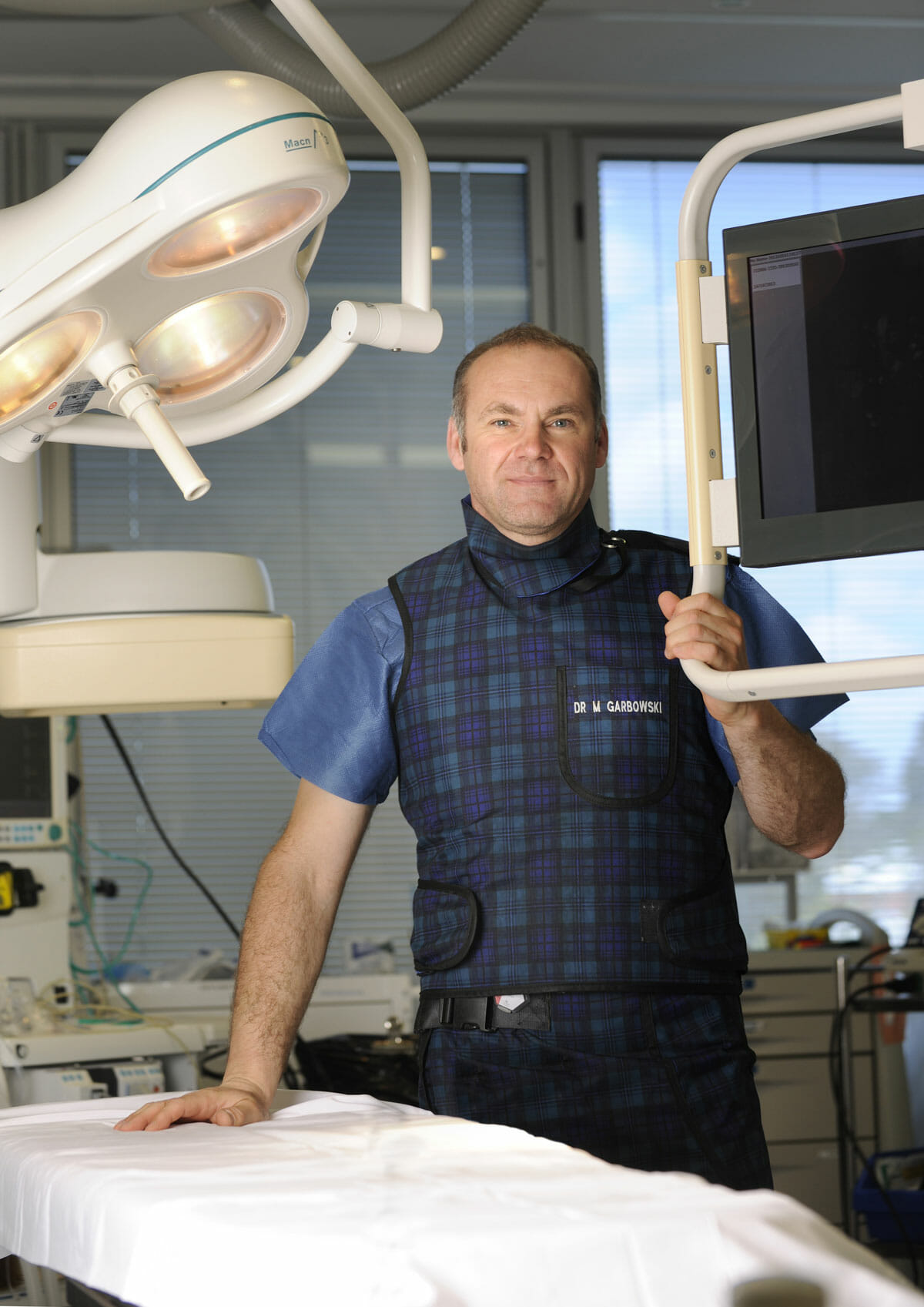
Dr Marek Garbowski has developed a strong clinical focus in the assessment and management of pelvic venous disorders, helping many women regain control of their lives after years of unexplained symptoms.
State-of-the-Art Assessment
Using the latest diagnostic imaging and vascular evaluation techniques, we ensure a thorough and accurate diagnosis. We work closely with gynaecologists and radiologists to deliver a multidisciplinary approach tailored to each patient’s needs.
Evidence-Based Treatment Options
Our clinic offers a full range of minimally invasive, image-guided treatment options — including embolisation of varicose pelvic veins, designed to relieve symptoms with minimal downtime.
Care for Public and Private Patients
Dr Garbowski provides consultations and procedures through both private practice and public hospital pathways, ensuring access to quality care for all patients.