
What is Open Aortic Surgery?
Open aortic surgery involves directly accessing the aorta through an incision in the chest or abdomen to replace the diseased or weakened section with a synthetic graft. The graft is sewn into place and takes over the function of the damaged aorta permanently. It is a major but highly effective operation with durable long-term results.
When is Open Surgery Recommended?
While endovascular techniques (EVAR/FEVAR/BEVAR) are now used for many patients, open surgery remains necessary when the anatomy of the aneurysm is not suitable for a stent-graft, when a previous endovascular repair has failed, or in emergency situations such as aortic rupture or acute aortic dissection. For younger patients with long life expectancies, open repair may also offer greater long-term durability.
The procedure is used to treat abdominal aortic aneurysms, thoracic aortic aneurysms, aortic dissection, and complex aneurysms involving the renal or visceral arteries.
How is the Operation Performed?
Open aortic surgery is performed under general anaesthetic. The approach depends on the location of the disease: abdominal aortic aneurysms are typically approached through a midline abdominal incision, while thoracic aneurysms require an incision through the chest. The aorta is clamped above and below the aneurysm, the diseased segment is removed or opened, and a synthetic graft is sewn into position to restore normal blood flow. The procedure typically takes three to five hours.
Recovery and What to Expect
Recovery from open aortic surgery is more gradual than from endovascular repair. Patients usually spend one to two days in an intensive care unit followed by a further five to seven days in hospital. Full recovery takes approximately six to twelve weeks, during which activity is gradually increased. Most patients make a full recovery and lead an active life following the operation.
Dr Garbowski will discuss the risks and benefits of open versus endovascular repair with you and recommend the most appropriate approach based on your individual anatomy, overall health, and preferences.
Related Resources
Below are some of the Resources related to Open Aortic Surgery.


Listen to the Latest Podcast
Listen to the latest podcast featuring Dr Marek Garbowski and Medical Forum, WA’s independent monthly publication for health professionals.
Get in Touch
Conditions we can treat with Open Aortic Surgery
Below are some of the conditions we can treat with Open Aortic Surgery. Click on the below to learn more or get in touch with us to request a consultation.
Abdominal Aortic Aneurysms (AAA)
An abdominal aortic aneurysm is a bulging section of the main blood vessel running through your abdomen. Early detection is essential, as a large aneurysm can be life-threatening without timely specialist treatment.
Aortic Dissection
Aortic dissection is a serious condition where a tear in the inner wall of the aorta allows blood to force the layers apart. It requires urgent specialist assessment and prompt treatment.
Aortic Pathology – Penetrating Aortic Ulcers
Aneurysms are areas where blood vessels weaken and bulge outward. Whether in the chest, abdomen or peripheral arteries, early specialist care is the key to preventing life-threatening complications.
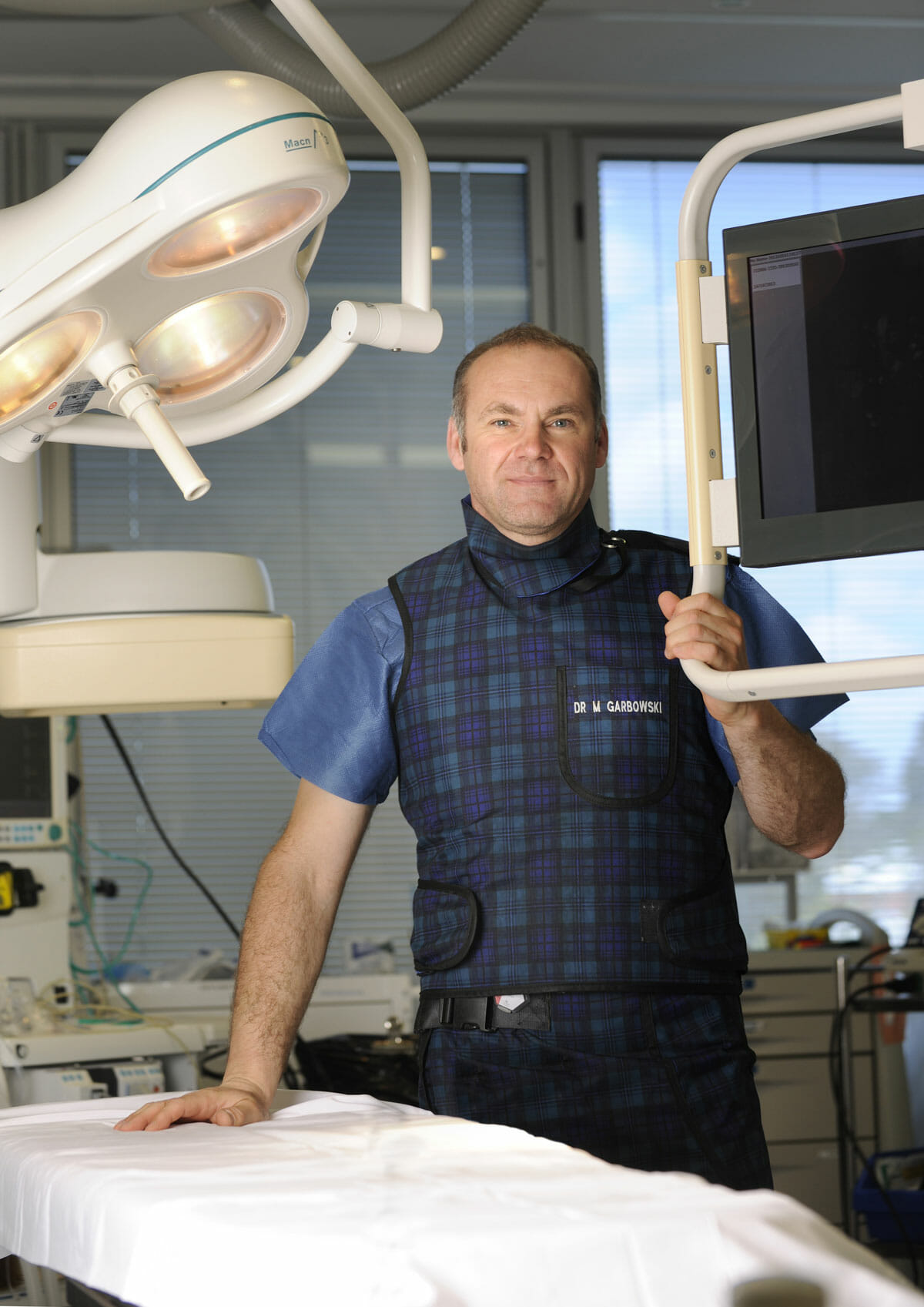
Why Choose Perth Vascular Clinic?
Expertise You Can Trust
Dr Marek Garbowski has developed a strong clinical focus in the assessment and management of pelvic venous disorders, helping many women regain control of their lives after years of unexplained symptoms.
State-of-the-Art Assessment
Using the latest diagnostic imaging and vascular evaluation techniques, we ensure a thorough and accurate diagnosis. We work closely with gynaecologists and radiologists to deliver a multidisciplinary approach tailored to each patient’s needs.
Evidence-Based Treatment Options
Our clinic offers a full range of minimally invasive, image-guided treatment options — including embolisation of varicose pelvic veins, designed to relieve symptoms with minimal downtime.
Care for Public and Private Patients
Dr Garbowski provides consultations and procedures through both private practice and public hospital pathways, ensuring access to quality care for all patients.
Frequently Asked Questions
Open aortic surgery involves directly repairing the aorta through a surgical incision in the abdomen or chest. The aneurysm or diseased segment is replaced with a synthetic graft sewn into place. It is a major surgical procedure performed under general anaesthetic and requires a period of aortic clamping.