
What is Varicocele Embolisation?
Varicocele embolisation is a catheter-based procedure used to treat a varicocele, which is an enlargement of the veins within the scrotum similar to varicose veins in the legs. By blocking the faulty vein (the internal spermatic or gonadal vein), blood is redirected through healthier vessels and the varicocele gradually resolves. The procedure is a minimally invasive alternative to open surgical ligation or laparoscopic repair.
How is the Procedure Performed?
The procedure is performed under local anaesthetic and mild sedation. A thin catheter is introduced through a small puncture, usually in the groin or neck, and guided under X-ray imaging to the internal spermatic vein on the affected side. Contrast dye is injected to confirm the diagnosis, and then coils or a sclerosant foam is used to block the vein. The procedure typically takes 30 to 60 minutes and no stitches are required.
Benefits of Embolisation Over Surgery
Varicocele embolisation offers a number of advantages compared to surgical options. It does not require general anaesthetic, leaves no surgical scar in the groin or scrotum, and is associated with a shorter recovery time. It can treat both sides in a single session if needed, and studies show equivalent success rates in relieving discomfort and improving sperm quality compared with open repair.
Recovery and What to Expect
Most patients go home the same day and can return to light activities within two to three days. Some mild scrotal aching may persist for a week or two as the blocked vein resolves. Heavy lifting and strenuous exercise should be avoided for a week. A follow-up appointment will be arranged to assess symptom improvement and, if fertility is a concern, to arrange a repeat semen analysis after three to six months.
Testicular Vein Embolisation (Varicocoele Embolisation)
Testicular vein embolisation is a minimally invasive, image-guided procedure used to treat symptomatic varicocoeles, which are enlarged veins around the testicle that may cause pain, discomfort, testicular atrophy or fertility concerns. The procedure is performed under local anaesthetic with light sedation, without the need for surgical incisions.
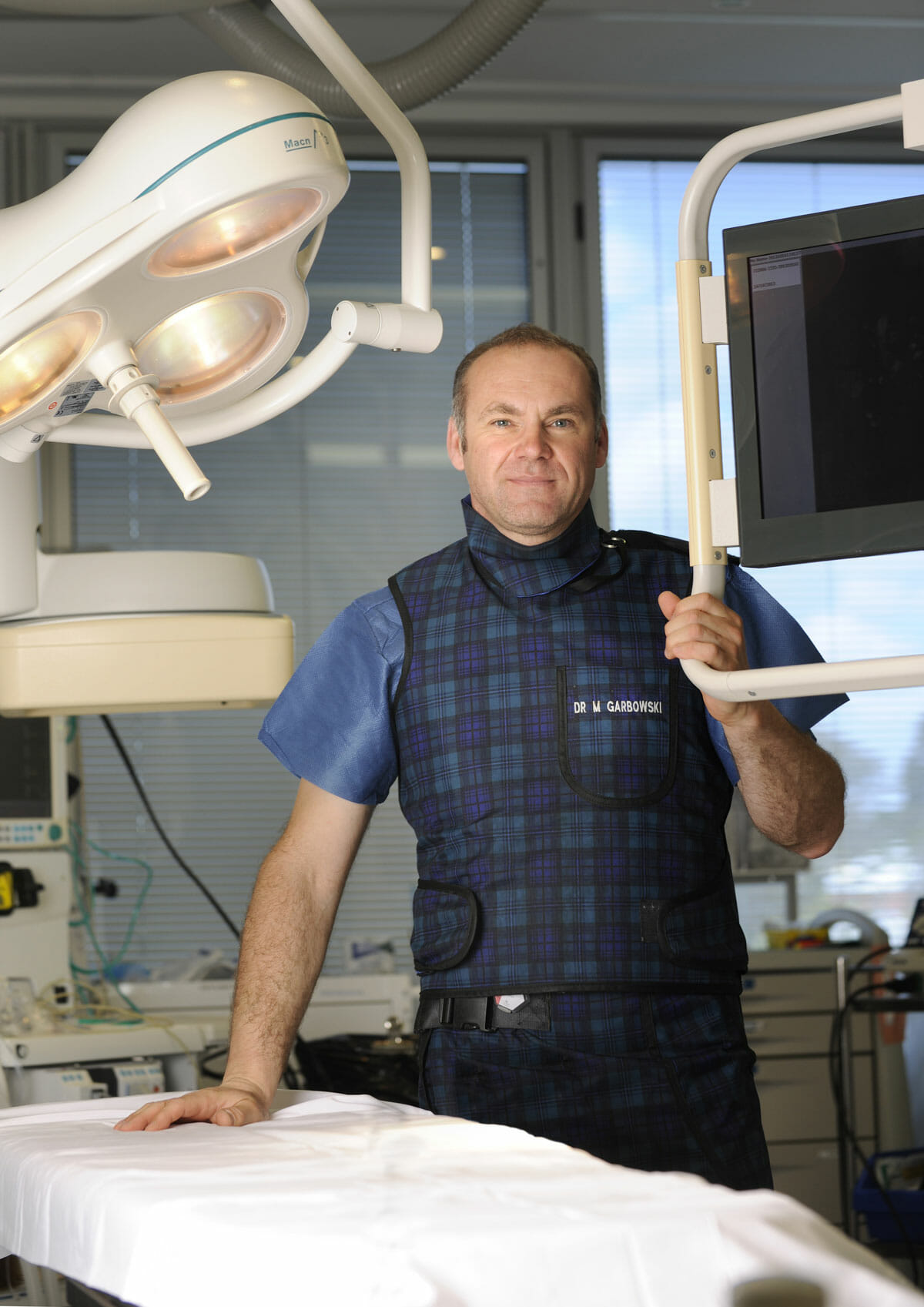
During the treatment, Dr Marek Garbowski FRACS (Vasc) accesses a vein, usually in the groin or neck, using a small catheter. Under X-ray guidance, the catheter is advanced into the affected testicular vein, where specialised coils and/or a medical sclerosant are used to permanently close the abnormal vein. This redirects blood flow into healthy veins, relieving venous congestion around the testicle.
Testicular vein embolisation is typically performed as a day procedure and is associated with minimal discomfort, rapid recovery and a high success rate. Most patients can return to normal daily activities within 24 to 48 hours.
At Perth Vascular Clinic, Dr Marek Garbowski provides comprehensive assessment and minimally invasive treatment of varicocoeles, with a focus on symptom relief, preservation of testicular function and improved quality of life.
Related Resources
Below are some of the Resources related to Varicocele Embolisation.

Listen to the Latest Podcast
Listen to the latest podcast featuring Dr Marek Garbowski and Medical Forum, WA’s independent monthly publication for health professionals.
Get in Touch
Conditions we can treat with Varicocele Embolisation
Below are some of the conditions we can treat with Varicocele Embolisation. Click on the below to learn more or get in touch with us to request a consultation.
Why Choose Perth Vascular Clinic?
Expertise You Can Trust
Dr Marek Garbowski has developed a strong clinical focus in the assessment and management of pelvic venous disorders, helping many women regain control of their lives after years of unexplained symptoms.
State-of-the-Art Assessment
Using the latest diagnostic imaging and vascular evaluation techniques, we ensure a thorough and accurate diagnosis. We work closely with gynaecologists and radiologists to deliver a multidisciplinary approach tailored to each patient’s needs.
Evidence-Based Treatment Options
Our clinic offers a full range of minimally invasive, image-guided treatment options — including embolisation of varicose pelvic veins, designed to relieve symptoms with minimal downtime.
Care for Public and Private Patients
Dr Garbowski provides consultations and procedures through both private practice and public hospital pathways, ensuring access to quality care for all patients.
Frequently Asked Questions
Varicocele embolisation is a minimally invasive, image-guided procedure used to treat varicoceles (enlarged veins in the scrotum). A small catheter is inserted through a vein in the groin or neck and guided to the abnormal veins, which are then blocked using coils or a sclerosant to stop abnormal blood flow.