
What is Angioplasty and Stenting?
Angioplasty is a procedure that widens arteries narrowed by plaque build-up (atherosclerosis) or other disease. A thin, flexible tube called a catheter is guided to the affected artery using X-ray imaging. A small balloon at the tip of the catheter is then inflated to push the narrowing open and restore blood flow.
A stent is a small metal mesh tube that may be placed at the same time to keep the artery open after the balloon is deflated. Stents can be bare metal or drug-coated to reduce the chance of the artery narrowing again.
Which Conditions Can Be Treated?
Angioplasty and stenting is used to treat narrowed arteries throughout the body, including those supplying the legs (peripheral vascular disease), the kidneys (reno-vascular hypertension), the arms (upper limb occlusive disease), and the neck (carotid artery disease). It is also used to restore blood flow in patients with non-healing leg ulcers linked to poor circulation.
How is the Procedure Performed?
The procedure is performed under local anaesthetic with sedation, or occasionally under general anaesthetic. A small puncture is made in the skin, usually at the groin or wrist, through which the catheter is introduced. Using live X-ray guidance (fluoroscopy), the catheter is steered to the blocked artery. Contrast dye is injected so the narrowing is clearly visible, and the balloon is then inflated to open it. The whole procedure typically takes one to two hours.
Benefits and What to Expect
Angioplasty and stenting avoids the need for large incisions and general anaesthesia in most cases. Most patients return home the same day or after one night in hospital. Walking is encouraged soon after the procedure, and most people can return to normal activities within a few days. The improvement in blood flow is usually felt quickly, with relief of symptoms such as leg pain or cramping.
As with any procedure, there are small risks including bruising or bleeding at the puncture site, and a chance the treated artery may re-narrow over time. Dr Garbowski will discuss all risks with you at your consultation and advise whether angioplasty and stenting is the right option for your situation.
Related Resources
Below are some of the Resources related to Angioplasty and Stenting.

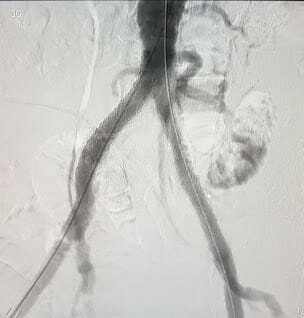
Gore Viabahn VBX Covered Stent plays important role in addressing complex aorta-iliac occlusive.

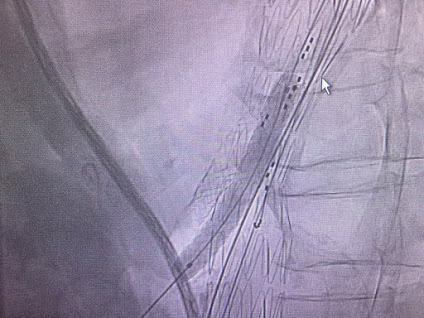
Gore Viabahn VBX balloon expandable covered stent might provide an excellent option for branched thoracoabdominal stent graft.

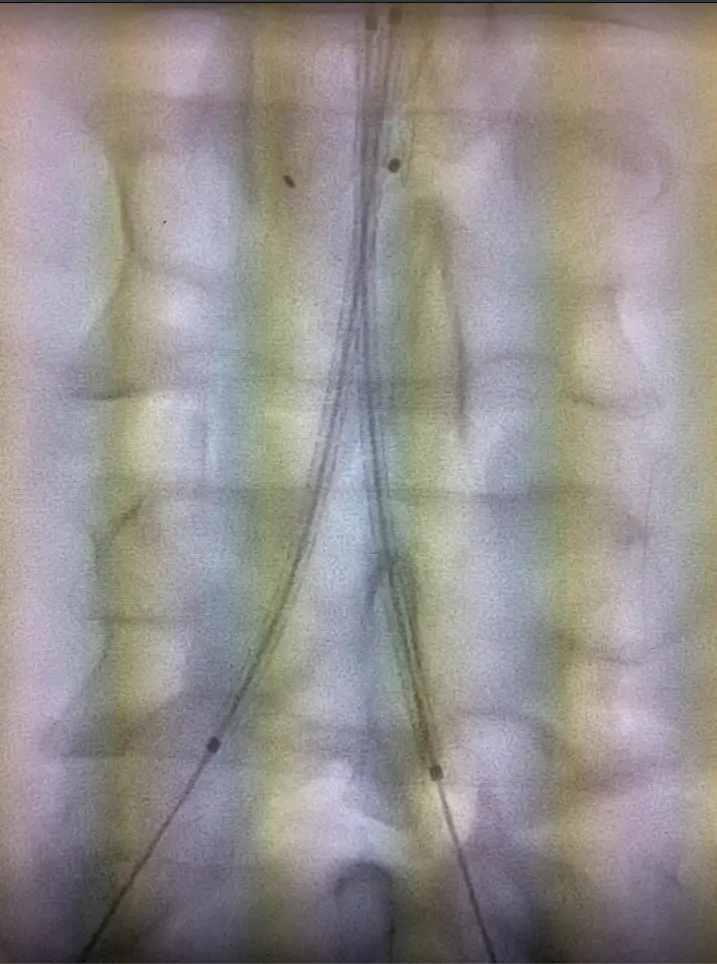



Listen to the Latest Podcast
Listen to the latest podcast featuring Dr Marek Garbowski and Medical Forum, WA’s independent monthly publication for health professionals.
Get in Touch
Conditions we can treat with Angioplasty and Stenting
Below are some of the conditions we can treat with Angioplasty and Stenting. Click on the below to learn more or get in touch with us to request a consultation.
Aching Legs
Persistent leg aching or discomfort can point to an underlying vascular condition such as varicose veins, poor circulation or deep vein thrombosis. Getting the right diagnosis is the first step to lasting relief.
Carotid Artery Disease (Strokes/Transient Ischaemic Attacks/Dissections)
Carotid artery disease occurs when the arteries in your neck become narrowed by plaque, significantly raising your risk of stroke. Warning signs include sudden weakness, vision changes or difficulty speaking.
Peripheral Vascular Disease (PVD)
Peripheral vascular disease is reduced blood flow to your legs caused by narrowed arteries. It can cause cramping pain when walking and, if left untreated, may lead to non-healing ulcers or serious complications.
Renal Artery Stenosis and Reno-Vascular Hypertension
Reno-vascular hypertension is high blood pressure caused by narrowed kidney arteries. Minimally invasive procedures can restore normal blood flow to the kidneys and bring blood pressure back under control.
Ulcers
Foot and leg ulcers are wounds that struggle to heal, most often linked to diabetes, poor circulation or venous insufficiency. Specialist vascular assessment and targeted treatment help prevent serious outcomes including amputation.
Why Choose Perth Vascular Clinic?
Expertise You Can Trust
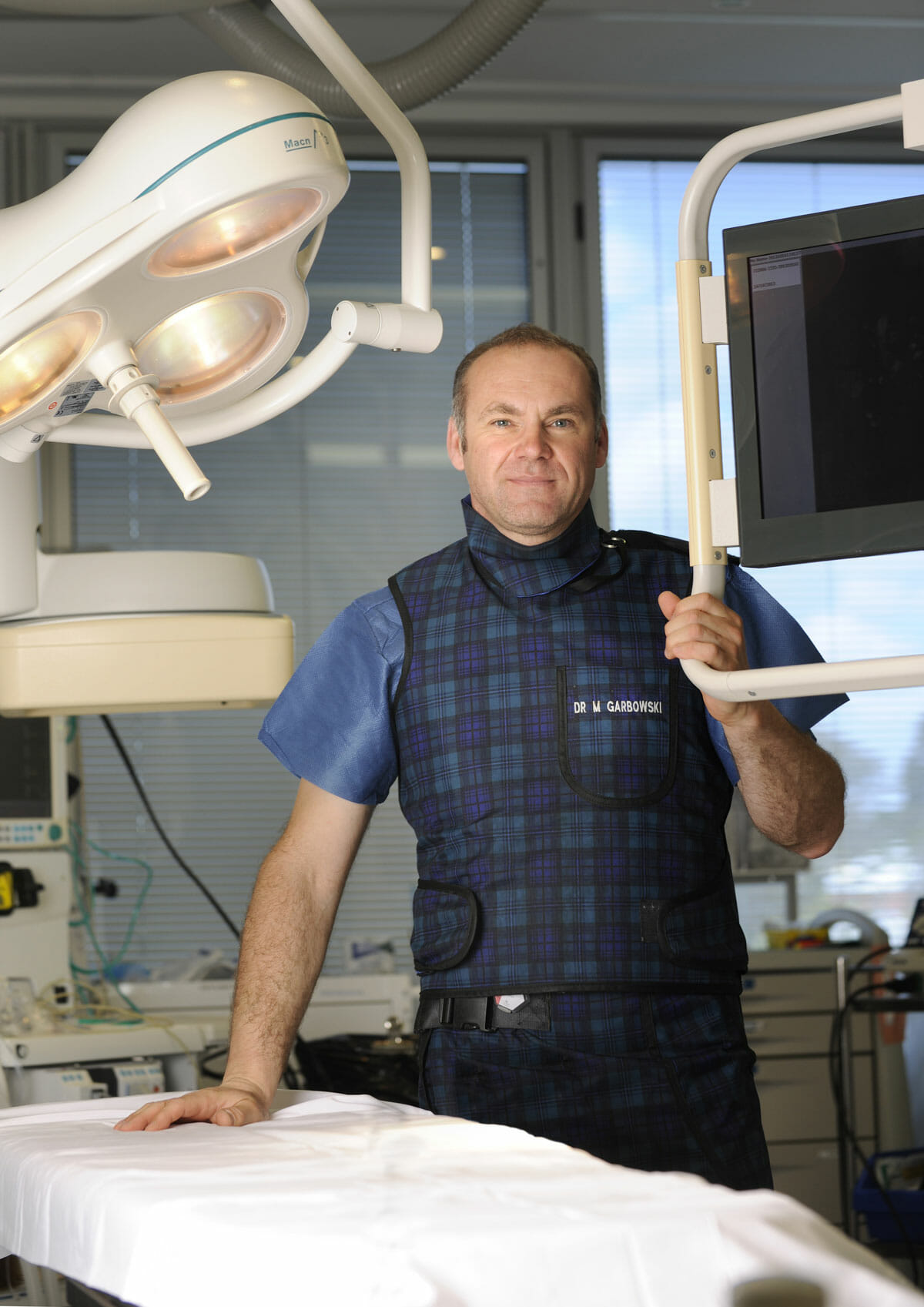
Dr Marek Garbowski has developed a strong clinical focus in the assessment and management of pelvic venous disorders, helping many women regain control of their lives after years of unexplained symptoms.
State-of-the-Art Assessment
Using the latest diagnostic imaging and vascular evaluation techniques, we ensure a thorough and accurate diagnosis. We work closely with gynaecologists and radiologists to deliver a multidisciplinary approach tailored to each patient’s needs.
Evidence-Based Treatment Options
Our clinic offers a full range of minimally invasive, image-guided treatment options — including embolisation of varicose pelvic veins, designed to relieve symptoms with minimal downtime.
Care for Public and Private Patients
Dr Garbowski provides consultations and procedures through both private practice and public hospital pathways, ensuring access to quality care for all patients.
Frequently Asked Questions
Angioplasty is a minimally invasive procedure used to widen a narrowed or blocked artery. A thin catheter with a small balloon at its tip is inserted into the artery and guided to the blockage under X-ray guidance. The balloon is inflated to compress the plaque and reopen the vessel, restoring normal blood flow.