
What is Carotid Endarterectomy?
Carotid endarterectomy is an operation to remove plaque (fatty deposits) from inside the carotid arteries, which run up either side of the neck and supply blood to the brain. When these arteries become significantly narrowed, the risk of stroke rises considerably. Removing the plaque restores normal blood flow and dramatically reduces that risk.
Who Needs This Operation?
Carotid endarterectomy is recommended for people with significant narrowing of the carotid artery (typically greater than 70 per cent) who have recently experienced a transient ischaemic attack (TIA or mini-stroke), a minor stroke, or warning symptoms such as sudden weakness, vision loss, or difficulty speaking. In selected patients with severe narrowing but no symptoms, the operation may also be recommended to prevent a future stroke.
How is the Operation Performed?
The operation is performed under general or regional anaesthetic. A carefully placed incision is made along the side of the neck to expose the carotid artery. The artery is temporarily clamped, the plaque is carefully removed, and the artery is repaired, usually with a small patch to widen it and reduce the risk of re-narrowing. The procedure typically takes one to two hours.
Recovery and What to Expect
Most patients stay in hospital for one to two nights following the operation. The neck wound is usually small and heals well. Most people can return to light activities within two to three weeks and are fully recovered within four to six weeks. You will be monitored closely in the days after surgery and advised on medications to help protect your arteries long term.
The risks of carotid endarterectomy are small in experienced hands and are far outweighed by the benefit of stroke prevention in appropriately selected patients. Dr Garbowski will thoroughly assess your suitability for the procedure and discuss all options at your consultation.
Related Resources
Below are some of the Resources related to Carotid Endarterectomy.



Listen to the Latest Podcast
Listen to the latest podcast featuring Dr Marek Garbowski and Medical Forum, WA’s independent monthly publication for health professionals.
Get in Touch
Conditions we can treat with Carotid Endarterectomy
Below are some of the conditions we can treat with Carotid Endarterectomy. Click on the below to learn more or get in touch with us to request a consultation.
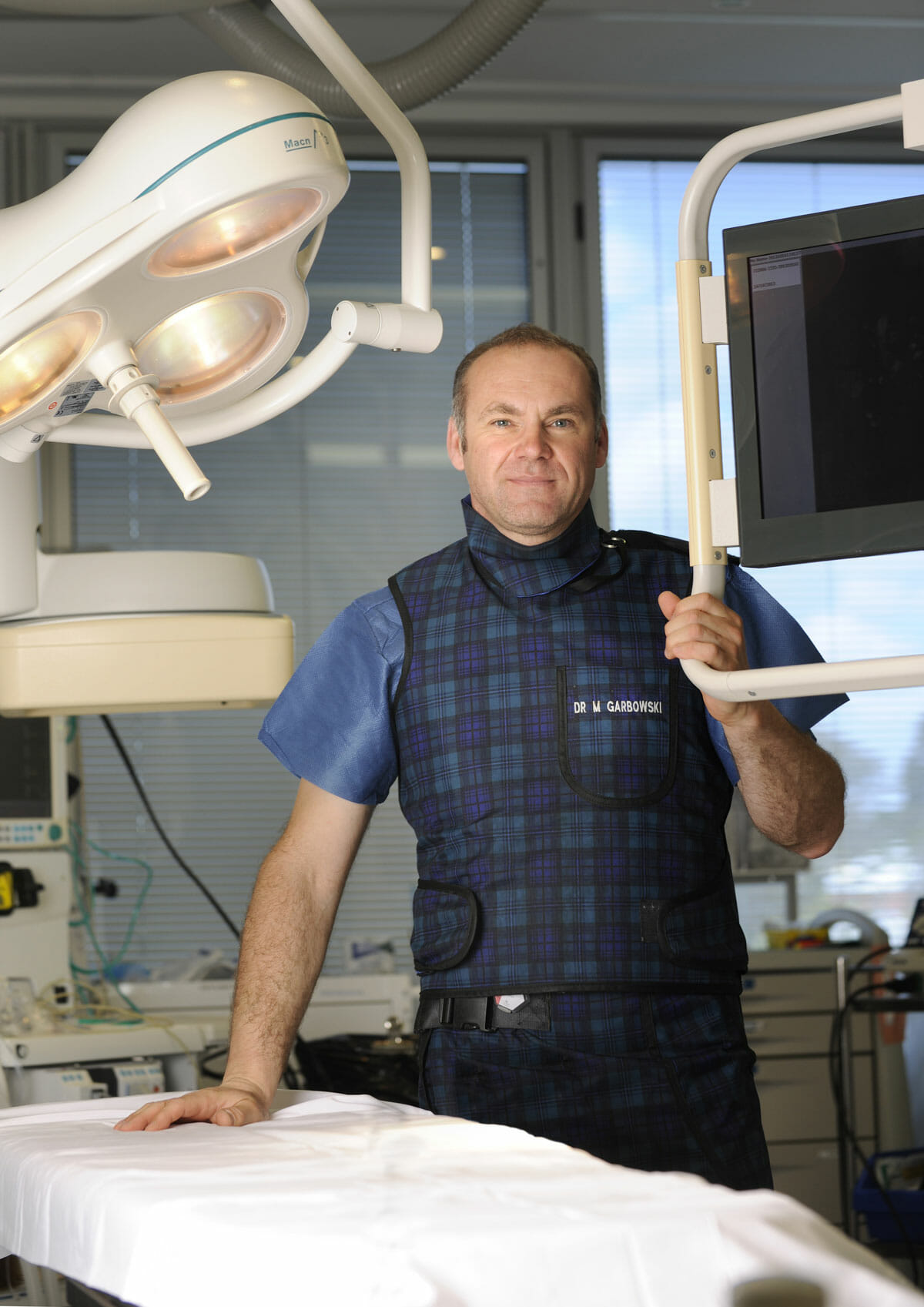
Why Choose Perth Vascular Clinic?
Expertise You Can Trust
Dr Marek Garbowski has developed a strong clinical focus in the assessment and management of pelvic venous disorders, helping many women regain control of their lives after years of unexplained symptoms.
State-of-the-Art Assessment
Using the latest diagnostic imaging and vascular evaluation techniques, we ensure a thorough and accurate diagnosis. We work closely with gynaecologists and radiologists to deliver a multidisciplinary approach tailored to each patient’s needs.
Evidence-Based Treatment Options
Our clinic offers a full range of minimally invasive, image-guided treatment options — including embolisation of varicose pelvic veins, designed to relieve symptoms with minimal downtime.
Care for Public and Private Patients
Dr Garbowski provides consultations and procedures through both private practice and public hospital pathways, ensuring access to quality care for all patients.
Frequently Asked Questions
Carotid endarterectomy is a surgical procedure to remove atherosclerotic plaque from the carotid artery in the neck. By clearing the narrowed artery, normal blood flow to the brain is restored and the risk of stroke caused by clot or debris from the plaque is significantly reduced.