
What is VenaSeal?
VenaSeal is a medical adhesive treatment for varicose veins. A small amount of specially formulated cyanoacrylate glue is injected into the diseased vein through a fine catheter, sealing it shut. Unlike heat-based treatments such as radiofrequency ablation or laser, VenaSeal requires no tumescent anaesthesia injections around the vein and no compression stockings after the procedure in most cases.
How is it Different From Other Treatments?
VenaSeal offers a number of practical advantages over thermal ablation techniques. Because no heat is used, there is no risk of nerve or skin injury from the energy source, and the procedure can be performed with only a small amount of local anaesthetic at the skin puncture site. Patients often find it more comfortable than RFA or EVLT, and can typically go straight back to their usual activities afterwards without the need to wear compression stockings.
How is the Procedure Performed?
Under ultrasound guidance, a thin catheter is introduced into the diseased vein through a small skin puncture. Small amounts of medical glue are injected at intervals along the vein while external compression is applied over each treated segment to help the vein walls bond together. The catheter is slowly withdrawn as the procedure progresses. The whole process typically takes around 30 to 60 minutes.
Recovery and What to Expect
Most patients can walk out of the clinic immediately after VenaSeal and return to work or normal activities the same day. Some minor tenderness or firmness along the treated vein is expected as the body responds to the sealed vessel. A follow-up ultrasound scan is arranged to confirm the vein is fully closed. Surface varicosities that remain after VenaSeal may be treated at a later date with sclerotherapy or ambulatory phlebectomy.
Related Resources
Below are some of the Resources related to VenaSeal.

Great alternative endovenous non-thermal technology to address superficial venous incompetence.

Listen to the Latest Podcast
Listen to the latest podcast featuring Dr Marek Garbowski and Medical Forum, WA’s independent monthly publication for health professionals.
Get in Touch
Conditions we can treat with VenaSeal
Below are some of the conditions we can treat with VenaSeal. Click on the below to learn more or get in touch with us to request a consultation.
Why Choose Perth Vascular Clinic?
Expertise You Can Trust
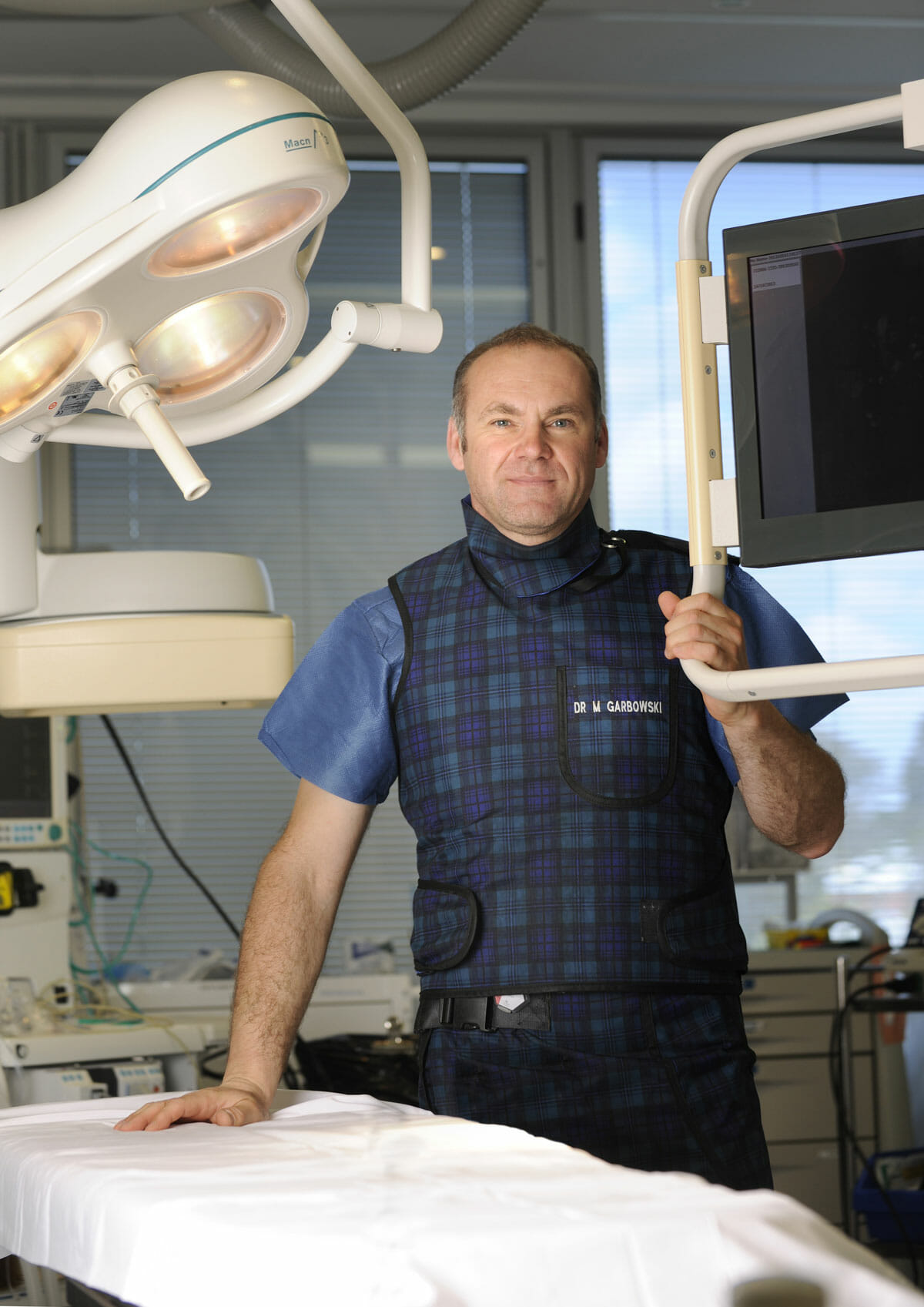
Dr Marek Garbowski has developed a strong clinical focus in the assessment and management of pelvic venous disorders, helping many women regain control of their lives after years of unexplained symptoms.
State-of-the-Art Assessment
Using the latest diagnostic imaging and vascular evaluation techniques, we ensure a thorough and accurate diagnosis. We work closely with gynaecologists and radiologists to deliver a multidisciplinary approach tailored to each patient’s needs.
Evidence-Based Treatment Options
Our clinic offers a full range of minimally invasive, image-guided treatment options — including embolisation of varicose pelvic veins, designed to relieve symptoms with minimal downtime.
Care for Public and Private Patients
Dr Garbowski provides consultations and procedures through both private practice and public hospital pathways, ensuring access to quality care for all patients.
Frequently Asked Questions
VenaSeal is a minimally invasive treatment for varicose veins that uses a medical-grade adhesive to seal the affected vein. A catheter is inserted into the vein under ultrasound guidance and a small amount of adhesive is delivered at multiple points, causing the vein to close permanently.