
What is Pelvic Vein Embolisation?
Pelvic vein embolisation is a catheter-based procedure used to treat pelvic venous disorders, including pelvic congestion syndrome. The procedure works by blocking (embolising) the ovarian veins or other pelvic veins that have become enlarged and are no longer working properly, similar in principle to varicose veins in the pelvis. Once blocked, blood is redirected through healthy veins and the congestion causing chronic pelvic pain is relieved.
How is the Procedure Performed?
The procedure is performed under local anaesthetic and sedation in an interventional radiology suite. A thin catheter is introduced through a small puncture, usually in the neck or groin vein, and guided under X-ray imaging to the ovarian and pelvic veins. Once the diseased veins are identified using contrast dye (venography), small metal coils or a medical adhesive are placed inside the veins to block blood flow. The catheter is then removed, and no stitches are required. The procedure typically takes one to two hours.
Which Conditions are Treated?
Pelvic vein embolisation is the primary treatment for pelvic venous disorders, including internal iliac vein/s incompetent tributaries (pelvic escape veins). It is also considered for patients whose varicose veins in the legs are being fed by pelvic vein reflux, and may be combined with other vein treatments for a comprehensive result.
Recovery and What to Expect
Most patients go home the same day or after one night in hospital. Some pelvic aching and nausea is expected in the first few days as the body responds to the embolised veins, and this is managed with simple pain relief. Most patients return to work within a week and notice a gradual improvement in their pelvic pain symptoms over the following weeks to months. Follow-up imaging is arranged to confirm the treated veins are fully blocked.
Related Resources
Below are some of the Resources related to Pelvic Vein Embolisation.



Listen to the Latest Podcast
Listen to the latest podcast featuring Dr Marek Garbowski and Medical Forum, WA’s independent monthly publication for health professionals.
Get in Touch
Conditions we can treat with Pelvic Vein Embolisation
Below are some of the conditions we can treat with Pelvic Vein Embolisation. Click on the below to learn more or get in touch with us to request a consultation.
Why Choose Perth Vascular Clinic?
Expertise You Can Trust
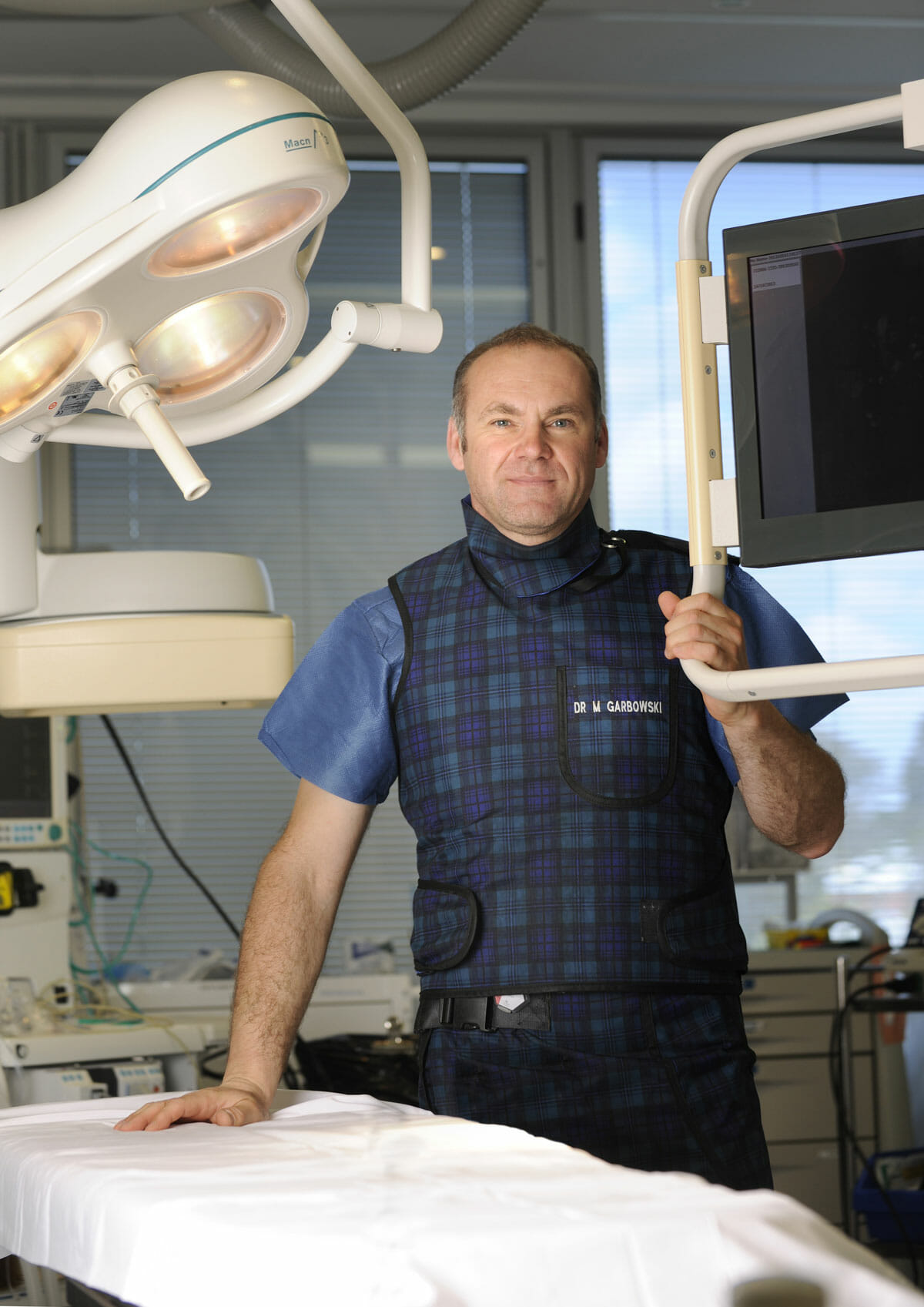
Dr Marek Garbowski has developed a strong clinical focus in the assessment and management of pelvic venous disorders, helping many women regain control of their lives after years of unexplained symptoms.
State-of-the-Art Assessment
Using the latest diagnostic imaging and vascular evaluation techniques, we ensure a thorough and accurate diagnosis. We work closely with gynaecologists and radiologists to deliver a multidisciplinary approach tailored to each patient’s needs.
Evidence-Based Treatment Options
Our clinic offers a full range of minimally invasive, image-guided treatment options — including embolisation of varicose pelvic veins, designed to relieve symptoms with minimal downtime.
Care for Public and Private Patients
Dr Garbowski provides consultations and procedures through both private practice and public hospital pathways, ensuring access to quality care for all patients.
Frequently Asked Questions
Pelvic vein embolisation is a minimally invasive procedure used to treat pelvic venous congestion syndrome (PeVD). Abnormal pelvic veins are blocked using coils or a sclerosant delivered through a catheter, stopping the abnormal reflux that causes chronic pelvic pain.