
Why dialysis access matters
When the kidneys can no longer clear waste and excess fluid, haemodialysis is one way to replace that function. It needs a dependable connection to the bloodstream that can deliver high blood flow, session after session. Creating this “access” is a surgical procedure, and planning it early gives the best results.
What is an AV fistula?
An arteriovenous fistula is a surgical connection between an artery and a vein, usually in the arm. Once the vein receives arterial blood flow, it gradually enlarges and thickens, and becomes strong enough to be needled repeatedly for dialysis.
An AV fistula made from your own tissue is generally considered the preferred form of dialysis access. Compared with synthetic grafts and dialysis catheters, fistulas tend to last longer and are less likely to become infected or clot.
Types of fistula
- Radiocephalic (wrist): usually the first choice, as it preserves the veins higher up the arm
- Brachiocephalic (elbow): a reliable option with good blood flow
- Brachiobasilic (upper arm): uses a deeper vein, which is often brought closer to the surface and may need to be done in two stages
The best option depends on the size and quality of your vessels.
Who needs a fistula, and when?
A fistula is usually recommended for people with advanced chronic kidney disease who are expected to need dialysis. Because fistulas take weeks to months to mature, referral is best made well before dialysis is required, often when kidney function is falling towards the stage where dialysis is likely within the next year or so. Your nephrologist will guide this timing.
Assessment before surgery
- A history and examination of both arms, including blood pressure in each arm and the pulses in the wrist
- Duplex ultrasound vein mapping to assess the size, quality and course of the arteries and veins
- Additional imaging if there is a concern about narrowing in the central veins, which is more common if you have had a pacemaker, defibrillator or previous central venous catheter
The fistula is usually placed in the non-dominant arm, although the vessels available determine the final choice.
The operation
Surgery is usually performed under local anaesthetic or a regional nerve block, sometimes with sedation. Most people go home the same day. Through a small incision, the artery and vein are joined together. At the end of the procedure, a gentle buzzing sensation, called a “thrill”, can be felt over the fistula, showing that blood is flowing through it.
Recovery and maturation
A fistula needs time to mature before it can be used, typically 6 to 12 weeks. During this time:
- Keep the wound clean and dry as instructed
- Avoid lifting heavy objects or sleeping on the arm
- Begin gentle hand and arm exercises when advised, to help the vein enlarge
- Check the thrill daily
Follow-up ultrasound assesses whether the fistula is ready for needling. A fistula that is slow to mature can often be helped with a minor procedure, such as angioplasty or ligation of a side branch.
Potential risks and complications
As with any operation, there are risks. These include:
- Bleeding, bruising or infection
- Failure of the fistula to mature or develop adequate flow
- Clotting or narrowing (stenosis) of the fistula, which may need further treatment
- Swelling of the hand or arm
- Steal syndrome: reduced blood flow to the hand, causing coolness, numbness or pain
- Aneurysm formation in the fistula over time
- Nerve irritation near the incision
- Uncommonly, extra strain on the heart in fistulas with very high flow
Your surgeon will discuss the risks relevant to your situation.
Alternatives
If a fistula is not suitable, options include an AV graft (a synthetic tube joining artery and vein) or a tunnelled dialysis catheter. Peritoneal dialysis, kidney transplantation and conservative care are alternative treatment pathways to discuss with your kidney specialist.
Protecting your veins and fistula
- Avoid blood tests, IV cannulas, PICC lines and blood pressure cuffs in the fistula arm, and ideally in the arm chosen for the future fistula
- Avoid tight clothing, watches or jewellery on that arm
- Do not carry heavy loads on the arm or sleep on it
- Check the thrill every day
When to seek urgent advice
Contact your surgeon or dialysis unit, or attend an emergency department, if you notice:
- Loss of the thrill or buzzing sensation
- Redness, pus, pain or fever
- Bleeding from the fistula or wound
- A cold, pale, numb or painful hand
- Sudden swelling of the arm
Renal access at Perth Vascular Clinic
Perth Vascular Clinic provides assessment and surgery for dialysis access, in coordination with your nephrologist and dialysis team. To arrange a consultation, please call (08) 6116 4955 or request an appointment.
This information is general in nature and does not replace individual medical advice.

Listen to the Latest Podcast
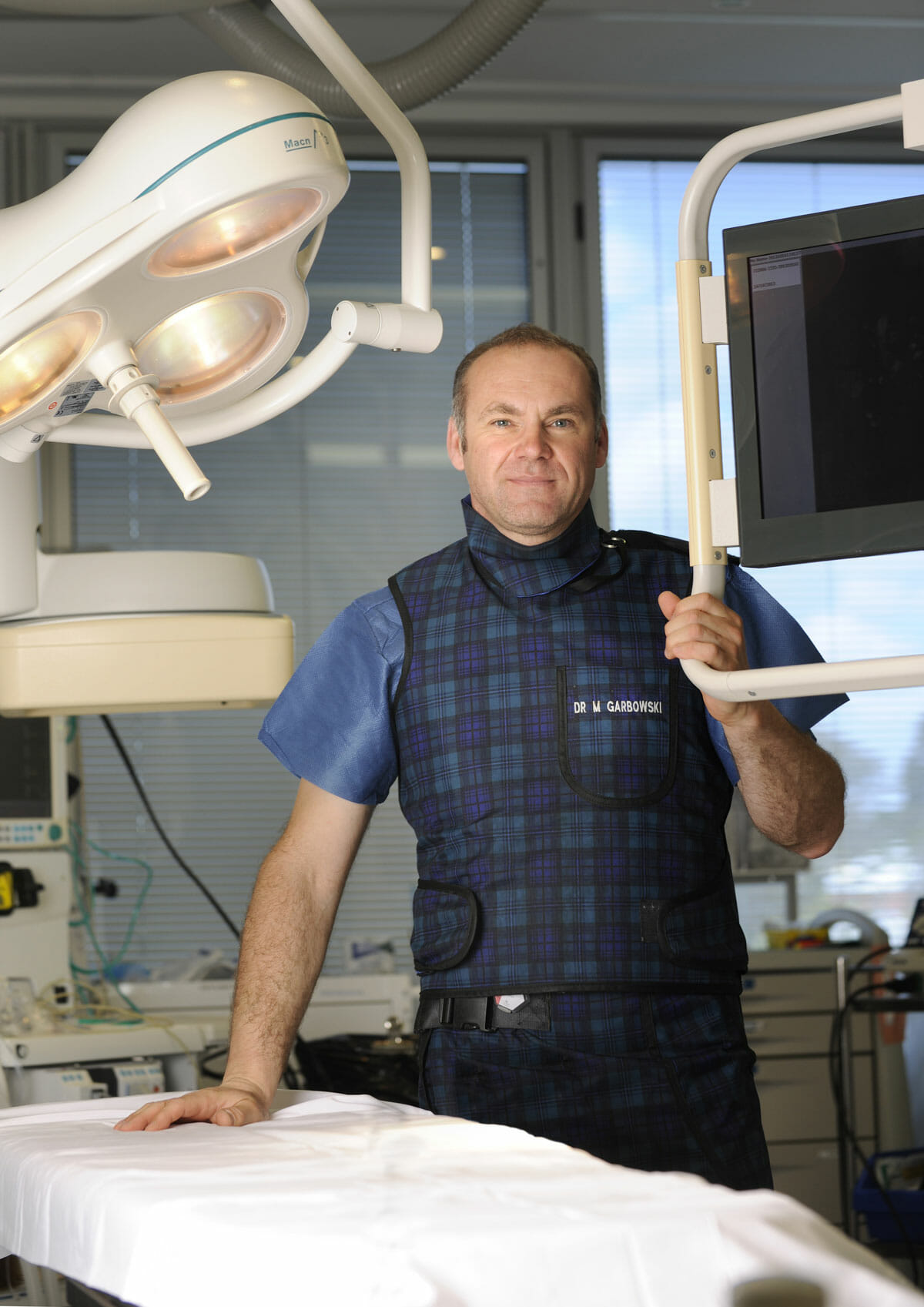
Listen to the latest podcast featuring Dr Marek Garbowski and Medical Forum, WA’s independent monthly publication for health professionals.
Get in Touch
Treatments Available for Renal Access Surgery (Arterio-Venous Fistula)
Below are some of the treatments we have available for Renal Access Surgery (Arterio-Venous Fistula). Click on the below to learn more or get in touch with us to request a consultation.
Why Choose Perth Vascular Clinic?
Expertise You Can Trust
Dr Marek Garbowski has developed a strong clinical focus in the assessment and management of pelvic venous disorders, helping many women regain control of their lives after years of unexplained symptoms.
State-of-the-Art Assessment
Using the latest diagnostic imaging and vascular evaluation techniques, we ensure a thorough and accurate diagnosis. We work closely with gynaecologists and radiologists to deliver a multidisciplinary approach tailored to each patient’s needs.
Evidence-Based Treatment Options
Our clinic offers a full range of minimally invasive, image-guided treatment options — including embolisation of varicose pelvic veins, designed to relieve symptoms with minimal downtime.
Care for Public and Private Patients
Dr Garbowski provides consultations and procedures through both private practice and public hospital pathways, ensuring access to quality care for all patients.