
What is it?
Temporal arteritis, also called giant cell arteritis (GCA), is an inflammatory condition of the medium and large arteries, most often the arteries at the temples. It almost always affects people over 50 and is more common in women and in those over 70. It is closely linked with polymyalgia rheumatica, which causes morning stiffness and aching in the shoulders and hips.
Symptoms
- A new, persistent headache, often at the temples
- Scalp tenderness, for example when brushing hair
- Jaw pain or fatigue when chewing
- Visual disturbance, including blurred or double vision or brief loss of sight
- Fever, fatigue, night sweats and unintentional weight loss
Why it matters
GCA is a medical emergency. Without prompt treatment, inflammation can block blood flow to the optic nerve and cause permanent vision loss, sometimes in both eyes. Less commonly it can lead to stroke or to weakening and enlargement of the aorta.
Diagnosis
Diagnosis combines your symptoms and examination with blood tests (ESR and CRP). Ultrasound of the temporal arteries can show characteristic inflammation, and a small temporal artery biopsy may be used to confirm the diagnosis. Treatment with high-dose corticosteroids is usually started immediately, without waiting for these results, to protect your sight. Biopsy remains reliable for some time after treatment begins.
Treatment and follow-up
Corticosteroids are gradually reduced over many months, and other medications may be added to limit steroid side effects. Long-term follow-up is important, including monitoring of the aorta and bone health.
When to seek help
If you are over 50 and develop a new headache with scalp tenderness, jaw pain or any change in vision, seek urgent medical assessment the same day. Do not wait for an appointment.
This information is general in nature and does not replace individual medical advice.

Listen to the Latest Podcast
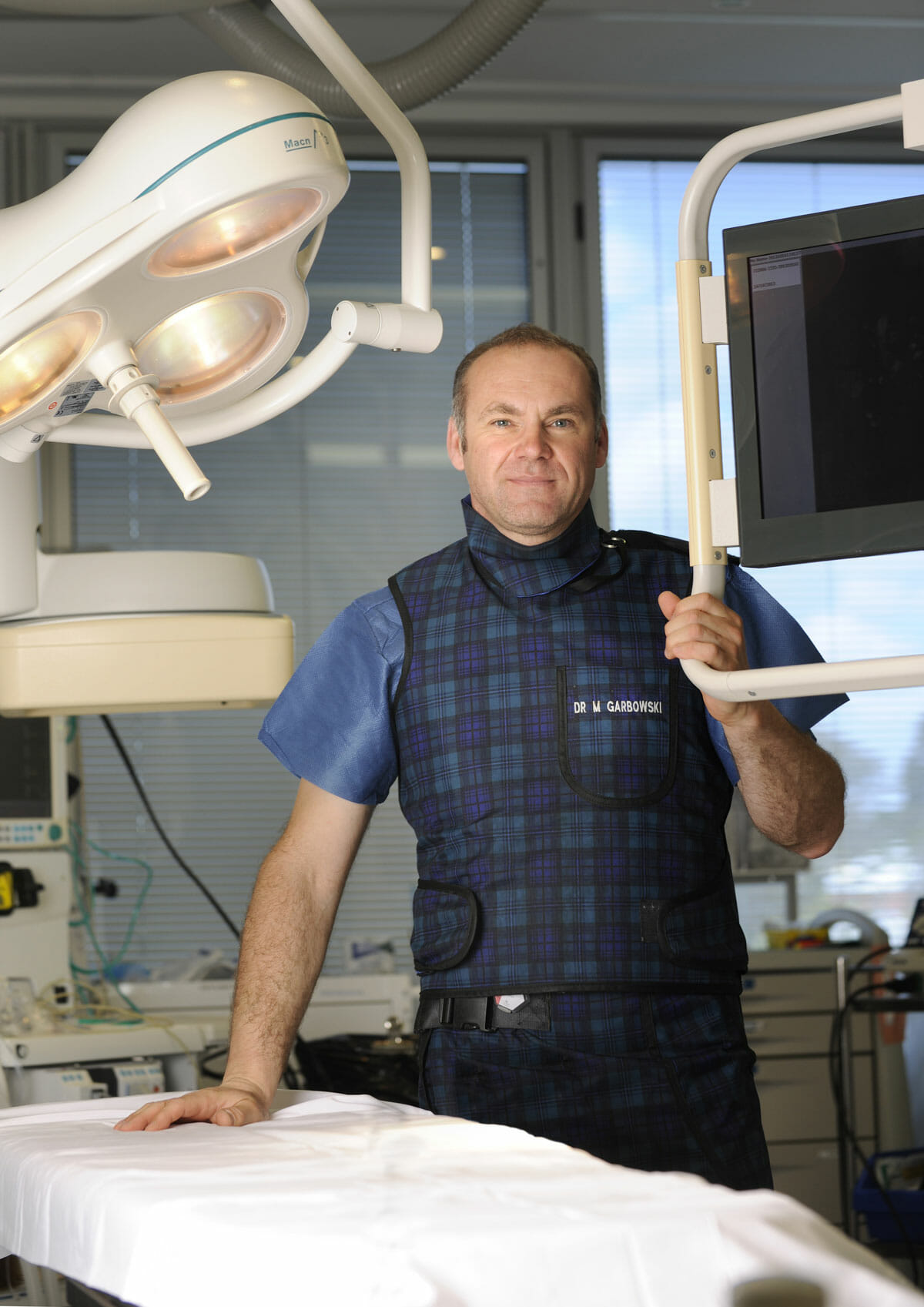
Listen to the latest podcast featuring Dr Marek Garbowski and Medical Forum, WA’s independent monthly publication for health professionals.
Get in Touch
Why Choose Perth Vascular Clinic?
Expertise You Can Trust
Dr Marek Garbowski has developed a strong clinical focus in the assessment and management of pelvic venous disorders, helping many women regain control of their lives after years of unexplained symptoms.
State-of-the-Art Assessment
Using the latest diagnostic imaging and vascular evaluation techniques, we ensure a thorough and accurate diagnosis. We work closely with gynaecologists and radiologists to deliver a multidisciplinary approach tailored to each patient’s needs.
Evidence-Based Treatment Options
Our clinic offers a full range of minimally invasive, image-guided treatment options — including embolisation of varicose pelvic veins, designed to relieve symptoms with minimal downtime.
Care for Public and Private Patients
Dr Garbowski provides consultations and procedures through both private practice and public hospital pathways, ensuring access to quality care for all patients.