
What is Ambulatory Phlebectomy?
Ambulatory phlebectomy (also known as micro-phlebectomy or stab avulsion) is a minor surgical procedure that removes varicose veins through tiny punctures in the skin. A small hook instrument is used to pull out segments of the diseased vein through these micro-incisions, which are so small they typically require no stitches and heal with minimal visible scarring.
When is it Used?
Ambulatory phlebectomy is well suited to bulging surface varicose veins that are too large to respond well to sclerotherapy injections alone, but that do not require full ablation of the main trunk vein. It is frequently performed as a complementary procedure following radiofrequency ablation or laser treatment, targeting the remaining visible surface veins that were fed by the now-treated main vein.
How is the Procedure Performed?
The procedure is performed under local anaesthetic in a clinic or day surgery setting. The course of the vein is marked on the skin before the procedure. Multiple tiny punctures are made along its length, and the vein is carefully extracted in segments using a fine phlebectomy hook. No stitches are needed. The whole procedure typically takes 30 to 90 minutes depending on the extent of veins being removed.
Recovery and What to Expect
Patients walk out of the clinic and can resume light activities the same day. A compression bandage is applied immediately after the procedure and replaced with a compression stocking within 24 hours, which should be worn for one to two weeks. Bruising and mild soreness along the treated areas is normal and settles within one to two weeks. The results are immediate and the veins removed do not return, though new varicose veins may develop over time in other areas.
Related Resources
Below are some of the Resources related to Ambulatory Phlebectomy.


Listen to the Latest Podcast
Listen to the latest podcast featuring Dr Marek Garbowski and Medical Forum, WA’s independent monthly publication for health professionals.
Get in Touch
Conditions we can treat with Ambulatory Phlebectomy
Below are some of the conditions we can treat with Ambulatory Phlebectomy. Click on the below to learn more or get in touch with us to request a consultation.
Why Choose Perth Vascular Clinic?
Expertise You Can Trust
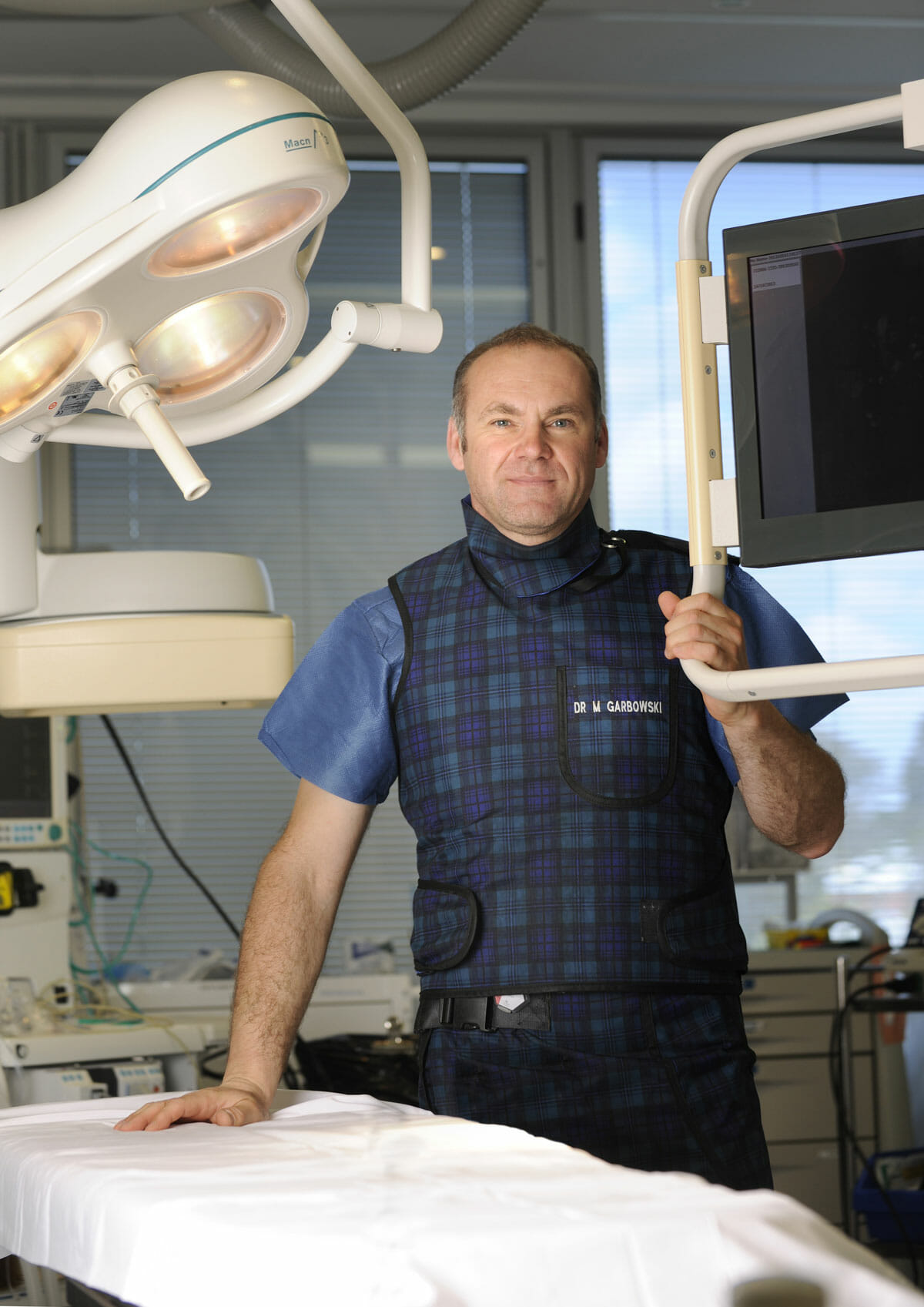
Dr Marek Garbowski has developed a strong clinical focus in the assessment and management of pelvic venous disorders, helping many women regain control of their lives after years of unexplained symptoms.
State-of-the-Art Assessment
Using the latest diagnostic imaging and vascular evaluation techniques, we ensure a thorough and accurate diagnosis. We work closely with gynaecologists and radiologists to deliver a multidisciplinary approach tailored to each patient’s needs.
Evidence-Based Treatment Options
Our clinic offers a full range of minimally invasive, image-guided treatment options — including embolisation of varicose pelvic veins, designed to relieve symptoms with minimal downtime.
Care for Public and Private Patients
Dr Garbowski provides consultations and procedures through both private practice and public hospital pathways, ensuring access to quality care for all patients.
Frequently Asked Questions
Ambulatory phlebectomy is a minimally invasive procedure used to remove superficial varicose veins through tiny punctures in the skin. It is typically performed under local anaesthetic as a day case and is used to treat branch varicosities that are not suitable for or have not been adequately treated by thermal ablation or sclerotherapy alone.